
Review · INDIA
Bhubaneshwar city tour in a private car with professional guide
The most rewarding part of this day is the way it links Bhubaneswar’s temple art with the older Jain caves and the dramatic story of Emperor Ashoka at Dhauli. You move from finely carved shrines to ancient rock-cut cells, with a guide who can explain the dynasties, symbols, and local traditions that are easy to miss from a car window.
I like the private format, since your group can explore at its own pace rather than follow a large bus. I also like the useful all-in-one setup: hotel pickup, drop-off, lunch, and a professional guide are included. The main caution is that the advertised overview contains references to Chennai and Bharatnatyam dance, which do not match this Bhubaneswar temple-and-caves route. Confirm the exact program before paying.
Key points at a glance
- Seven major stops in about eight hours: The route covers major temples, Dhauli, and both Khandagiri and Udayagiri caves.
- A genuinely private outing: Only your group takes part, with transport by private car and hotel pickup and drop-off.
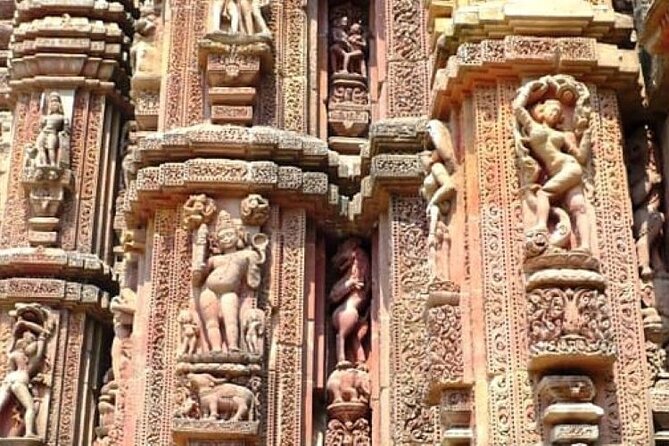
- Strong architectural focus: Lingaraja, Rajarani, and Mukteswara offer three different looks at Odisha’s temple design.
- Ashoka’s change of faith: Dhauli connects a battlefield from 260 BC with the later Buddhist Peace Pagoda.
- Jain caves above the city: Khandagiri and Udayagiri add ancient religious sites and carved stone shelters.
- Useful guide continuity: Guides named Surya and Sarad have led this experience, with Sarad praised for explaining Kalinga dynasties and temple architecture.
Why this Bhubaneswar route works
Bhubaneswar can feel confusing at first. Its famous sites are not one single monument complex, and the city’s importance comes from several periods and religious traditions. This route gives you a clear day of sightseeing, moving through Hindu temples, Buddhist associations, and Jain cave retreats.
The day lasts approximately eight hours and begins at 8:30 am. That gives you time for the seven listed stops without trying to force every sight in the city into one rushed morning. Each stop is scheduled for roughly 20 to 30 minutes, so you should expect a brisk overview rather than long meditation at every monument.
That timing is both a strength and a limit. You see a lot in one day, and the car saves energy between sites. But if you are an architecture specialist, a photographer, or someone who likes to sit quietly at one temple for an hour, you may want to ask the guide in advance where the schedule has room to breathe.
The private setup matters most here. You can ask your guide to spend more time on sculpture at Mukteswara, for example, or to explain the history of the Kalinga kingdom at the cave complex. Sarad has been praised for explaining the architecture, history, and dynasties of Kalinga, while Surya was described as punctual and well informed. Guide assignments can change, so treat those names as examples rather than a guarantee.
More Private Cars with a Driver in India:
- Taj Mahal and Agra Private Car Tour from Delhi with 5* Lunch
★ 5.0 · 1,633 reviews - Private Car and Drive for Golden Triangle (4N/5D)
★ 5.0 · 451 reviews - From Delhi: Jaipur Day Trip by Fast Train or Private Car
★ 4.8 · 332 reviews
Lingaraja Temple, Bhubaneswar’s essential first stop
Lingaraja Temple is the headline sight. It is the most famous temple in Bhubaneswar and was built in the Kalinga style using sandstone and laterite. Its dedication to Harihara, a combined form of Vishnu and Shiva, gives your guide an excellent opening for explaining how different Hindu traditions meet in Odisha.
You have about 30 minutes here. That is enough for a focused introduction to the temple’s form, materials, and religious purpose, though it is not a long visit. The experience is especially useful if you want someone to point out why the carving, towers, and layout matter rather than simply photographing the exterior.
Admission is listed as free. The tour information does not specify access rules, interior entry, or photography conditions, so ask your guide before assuming you can enter every area. Religious sites can have rules that change by location or day.
This is also the stop where a private guide adds the most value. Without context, a large stone temple can become a blur of towers and figures. With explanation, you can begin to read the building as a combination of worship, royal patronage, craftsmanship, and regional design.
Rajarani Temple and its red-gold stone
Rajarani Temple follows with another 30-minute visit. Built in the 11th century, it is made from reddish and yellow sandstone. The local name for this stone, Rajarani, is also the source of the temple’s name.
The material gives the monument a different character from the darker, more imposing feel you may associate with other stone temples. Your guide can help you compare the stone and decorative work here with what you saw at Lingaraja. That side-by-side approach is one of the smartest features of the route, because you are not just collecting isolated monuments.
Rajarani is particularly good for people who enjoy architectural detail. The visit is short, so listen for the explanation of the carving program and the building’s design rather than trying to cover every angle with a camera.
Admission is listed as free. Again, the precise access arrangements are not described, so your guide is the best source for what you can see on the day.
Mukteswara Temple and fine sculptural work
Mukteswara Temple receives about 20 minutes, making it the shortest temple stop. It dates from the 10th century and was built by the Somavamsi dynasty. The temple is dedicated to Shiva and is noted for its carvings and sculptural work.
I would pay close attention here, even though the stop is brief. Mukteswara is presented as a compact lesson in decorative stonework, and the shorter visit may work well after two half-hour temple stops. You can ask your guide to identify the details that make the sculpture distinctive.
The drawback is simple: 20 minutes disappears quickly. If you are deeply interested in temple art, you may feel that this stop deserves more time. The private format gives you a chance to ask whether a little schedule adjustment is possible, but the full route still has Dhauli and two cave sites ahead.
More City Tours in India:
- Bangalore city tour with English guide & multi language support
★ 5.0 · 268 reviews - Total Chennai city tour in Private car with guide & lunch by Wonder tours
★ 5.0 · 79 reviews - World heritage Ahmedabad city tour in private car with guide and lunch
★ 5.0 · 44 reviews - Bhubaneswar city tour & Konark Sun Temple in private car with guide
★ 5.0 · 29 reviews
Dhauli, where Ashoka’s story changes direction
The route then heads to Dhauli, associated with an ancient battle fought in 260 BC. Emperor Ashoka, the Mauryan ruler, won the battle but is said to have changed after seeing the scale of the bloodshed. This story gives Dhauli emotional weight beyond its view and monument.
You spend about 30 minutes at the Dhauli Peace Pagoda, with admission listed as included. The site connects military history, Buddhism, and the moral consequences of conquest. It is one of the day’s most meaningful transitions: after several temple stops focused on stone and religious design, the emphasis shifts to a ruler’s response to violence.
The tour description uses both Dhauli Peace Pagoda and Dhauligiri Shanti Stupa for the next two stops. They are presented as separate 30-minute visits, but the information does not explain the distance or precise difference between them. Ask your guide to clarify the sequence when the day begins. That small check can help you understand whether you are seeing two distinct points or spending extra time in the same Dhauli area.
Dhauligiri Shanti Stupa and its modern message
The Shanti Stupa, or Peace Pagoda, is described as a 1972 structure built through cooperation between the Japan Buddha Sangh and the Kalinga Nippon Buddha Sangh. It is a modern monument with an international Buddhist connection, not an ancient ruin.
That contrast is worthwhile. The day does not present Odisha as a place frozen in one historical period. Instead, you see ancient temples and caves alongside a 20th-century structure linked to Japanese and Indian Buddhist groups. The 30-minute visit gives you time to take in the site and connect it with the Ashoka story at Dhauli.
Admission is listed as included. Since the two Dhauli entries are not fully explained, I would use this part of the day to ask questions about the battle site, the Peace Pagoda, and the relationship between the two locations.
Khandagiri Caves and the first look at Jain ascetic life
Khandagiri Caves is scheduled for 30 minutes and is described as a retreat of ancient Jain ascetics. The caves were built in the second century BC during the reign of King Kharavela of the Kalinga Kingdom. The site also has an upper section connected with an 18th-century structure, though the supplied details are cut off before explaining it fully.
This stop brings a different mood from the temples. Instead of freestanding shrines built to dominate a formal setting, you see dwelling retreats or cells cut into rock for religious life. That practical detail matters. The caves help you picture how Jain ascetics used the site, not just admire the marks left by chisels.
The route includes admission here. Wear comfortable footwear and expect some walking around the cave complex, but the supplied information does not give a precise accessibility assessment. If stairs or uneven ground are a concern, raise the issue when booking or with the tour operator before departure.
Udayagiri Caves and carved monastic spaces
Udayagiri follows with another 30-minute visit. The caves contain ornate carvings dating from around the first century BCE and are believed to have served as residential blocks for Jain monks during the reign of a Kalinga king.
Seeing Khandagiri and Udayagiri together is more useful than visiting only one. You can compare the cave layouts, carvings, and setting while the explanation is still fresh. The pair also gives the day a stronger sense of chronology, moving from early Jain sites to later Hindu temple architecture and then to the modern Peace Pagoda.
Thirty minutes is enough for an introduction but not a slow archaeological study. If you want every inscription and carved detail explained, tell your guide that this is your priority. The private group makes that request more realistic than it would be on a large group excursion.
What the guide and private car add
A car-based day is practical in Bhubaneswar because the route covers several separate sites. You do not have to arrange transport between each temple, the Dhauli area, and the caves, and hotel pickup and drop-off remove the need to find your way back after a full day.
The guide is just as important as the vehicle. The strongest feedback about this experience centers on explanation and organization. Surya was described as punctual and able to adjust the temple visits to what the group could manage. Sarad was singled out for explaining Kalinga architecture, history, and dynasties.
I would use the guide actively. Ask what you are looking at, which dynasty built it, how the religious purpose changed, and which details deserve a close look. A silent escort would make the temples far less rewarding, while a guide who connects the sites can turn seven stops into one coherent story.
The private format also helps if your group has different interests. One person may care about sculpture, another about Buddhist history, and another about photography. You will still need to respect the overall schedule, but you are not locked into the pace of a large party.
Price, lunch, and what the $120 covers
At $120 per person, the value depends on your group size and how much you would otherwise spend arranging transport, a guide, meals, and admissions separately. The price includes hotel pickup and drop-off, a professional guide, lunch, taxes, fees, and handling charges.
For a full private day covering seven major stops, that package can be sensible, especially if you want a guide who can explain the architecture rather than simply drive you between sites. Lunch is included, but drinks are not, so budget for beverages during the day.
The price is less attractive if you want a very slow visit at one or two monuments. This is a broad city overview, not a specialist temple study. You are paying for range, private transport, and a guide’s interpretation.
Group discounts are offered, although no discount level is provided. Since this is a private activity, ask how the per-person rate changes as your party grows. A larger group could improve the value, provided the car size and seating suit everyone comfortably.
What to clarify before booking
One important detail needs attention. The supplied overview refers to a Chennai Bharatnatyam dance experience, including a studio visit and a demonstration of hand gestures, footwork, and storytelling through expressions. Those details do not match the Bhubaneswar route through temples, Dhauli, and Jain caves.
Do not assume the dance material is part of this city tour. Confirm that your booking is for Bhubaneswar, the seven listed stops, the private car, lunch, and hotel transfers. This is especially important if you are choosing between several cultural experiences in India.
The tour offers mobile tickets, confirmation at booking, and free cancellation up to 24 hours before the start time. Changes or cancellations made less than 24 hours before the 8:30 am start are not accepted for a refund, and cut-off times follow local time.
Who should book this day
I would choose this tour if you want a well-packed first look at Bhubaneswar and prefer private transport. It suits people interested in temple architecture, Hindu and Jain traditions, Buddhist history, and the Kalinga kingdom.
It is also a good fit if you value hotel pickup and a planned lunch more than independent wandering. The route has enough variety to keep a history-minded visitor engaged, and the guides associated with it have been praised for punctuality, organization, and clear explanations.
I would hesitate if you want a relaxed day with long periods at each monument, or if your main interest is classical Indian dance. The dance material in the description belongs to a different experience and should be confirmed before booking.
Should you book the Bhubaneswar private city tour?
Book it if you want seven significant sites in one organized day, with a private car, guide, lunch, and hotel transfers handled together. The strongest reason to go is the range: Lingaraja, Rajarani, and Mukteswara show Odisha’s temple art, Dhauli adds Ashoka and Buddhism, and Khandagiri and Udayagiri introduce Jain cave life.
The main caution is the mixed description. Confirm the Bhubaneswar itinerary directly, and ask which guide is assigned, whether the two Dhauli stops are distinct, and what access is possible at the temples. With those points clear, this is a practical and culturally substantial introduction to the city.
FAQ
Where does the tour take place?
The tour takes place in Bhubaneswar, India, and visits temples, Dhauli, and the Khandagiri and Udayagiri caves.
How long does the tour last?
The experience lasts approximately eight hours.
What time does the tour start?
The listed start time is 8:30 am.
Is hotel pickup included?
Yes. Hotel pickup and drop-off are included.
Is this a private tour?
Yes. Only your group participates in the activity.
Is lunch included?
Yes. Lunch is included in the tour price.
Are drinks included?
No. Drinks are not included.
Which temples are visited?
The route includes Lingaraja Temple, Rajarani Temple, and Mukteswara Temple.
Which cave sites are visited?
The tour visits Khandagiri Caves and Udayagiri Caves, both associated with ancient Jain ascetics and monks.
What is the cancellation policy?
You can cancel at least 24 hours before the start time for a full refund. Cancellations or changes made less than 24 hours before the start time are not accepted for a refund.
Just added around India
- Private Day Trip to Jaipur from Delhi via Expressway★ 4.5 · 17 reviews
- Taj Mahal Day Tour with Private Car and Driver from New Delhi★ 5.0 · 8 reviews
- Full-Day New and Old Delhi Private Car Tour with Pick Up★ 5.0 · 7 reviews
- Private 4 Days Golden Triangle Tour from New Delhi with Driver★ 5.0 · 4 reviews
- Agra Taj Mahal Sunrise Visit from Delhi by Private Car with Guide★ 4.5 · 3 reviews
- Full day city tour of Delhi with Guide and Private Car★ 5.0 · 16 reviews
- 12 Hour Sunrise Taj Mahal Tour From Delhi By Private Car★ 5.0 · 18 reviews
- 2 Days Delhi Agra and Fatehpur Sikri Tour By Private Car★ 5.0 · 4 reviews
India Limo Tours, compared.
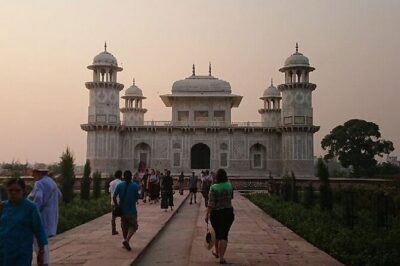
Taj Mahal and Agra Private Car Tour from Delhi with 5* Lunch
Read our review →
Private Car and Drive for Golden Triangle (4N/5D)
Read our review →
Taj Mahal & Agra Private Day Tour from Delhi – All Inclusive
Read our review →
From Delhi: Jaipur Day Trip by Fast Train or Private Car
Read our review →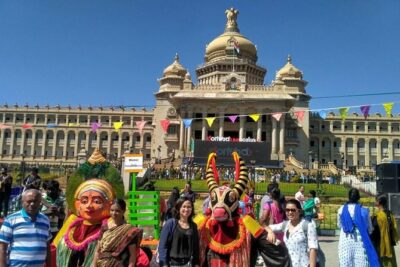
Bangalore city tour with English guide & multi language support
Read our review →
Golden Triangle Agra Jaipur with Namaste Private Driver India
Read our review →
Jaipur Sightseeing Tour with Private Car and Driver
Read our review →Browse the lists this tour appears in