

Review · HANOI
From Hanoi: 2-Day Overnight Sapa Tour by Luxury Van Limousine
Sapa’s best moments come after you leave town and walk into the hills. This two-day trip takes you past terraced rice fields and Black Hmong and Dzay villages, with local guides who can explain daily life along the route. Guides such as Ai, Lilly, May, and Zua have been especially good at adjusting the pace and explaining local customs.
I like the small group size of up to 14 and the choice of overnight stay. You can keep costs down in a dorm, choose a homestay or bungalow for a closer village experience, or book a 3- or 4-star hotel. The included meals, entrance fees, and Hanoi transfers also make the $117 price easy to understand.
The catch is the long road journey and the demanding walking. Hanoi to Sapa takes about five to six hours each way, and the village paths can be steep, muddy, slippery, and tiring. The word limousine suggests polished comfort, but the vans and drivers can vary.
Key points to know before booking
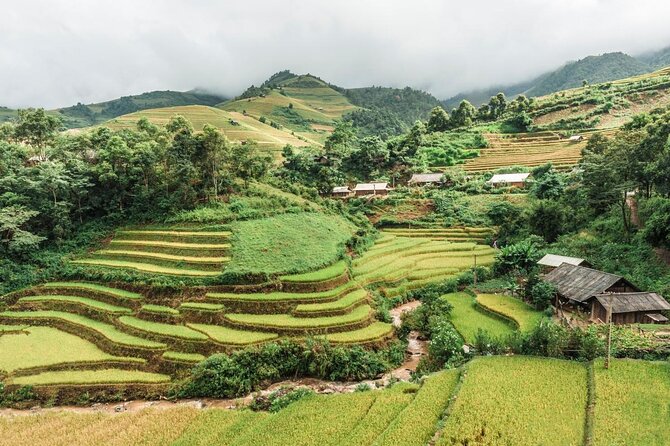
- Two different trekking plans: Hotel guests visit Cat Cat on day one, then Y Linh Ho, Lao Chai, and Ta Van on day two. Homestay, bungalow, and dorm guests usually visit the longer valley route on day one and Giang Ta Chai on day two.
- Local guides make the difference: Guides including Ai, Lilly, May, Zua, Su, Rua, and Lu have been praised for kindness, English, cultural explanations, and adjusting walks to different abilities.
- Cat Cat is scenic but touristy: Its waterfall, traditional performances, and photo stops are appealing, but it feels more developed for tourism than the outlying villages.
- The second-day trek is the main event: Expect several hours of walking, often around five hours on the longer route, with steep paths and muddy sections in wet weather.
- Your lodging changes the trip: A hotel gives you more privacy and comfort, while a homestay or bungalow brings you closer to rural life but with less predictable service.
- Pack for mountain weather: Bring warm layers, rain protection, sturdy trekking shoes, sun cream, insect repellent, and Vietnamese dong in cash.
Why Sapa is worth the long road from Hanoi
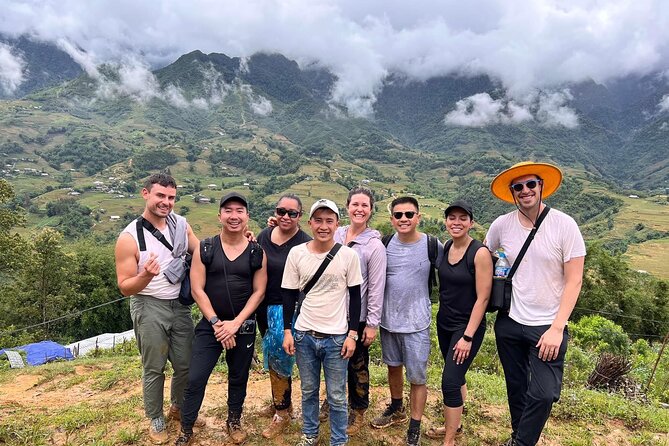
Sapa is not a quick side trip. The road covers more than 250 kilometers, and the ride usually takes five to six hours in each direction, including rest stops. That sounds like a lot for a two-day tour, but the payoff is access to mountain villages that are difficult to reach on a short Hanoi outing.
I like the way this trip gets you beyond Sapa town. The town itself has hotels, shops, restaurants, and plenty of tourism. The walking routes lead into rice-growing valleys, wooden homes, narrow paths, and villages connected to Black Hmong and Dzay communities.
The views are the main reason to come. You will see steep Hoang Lien Son mountain scenery and layered rice terraces, with the appearance changing by season. At some times of year the fields are full and green, while at others they can look more recently harvested and less dramatic.
The pace is active, not frantic. You will have several hours of walking on each day, but the guide can sometimes adjust the route. That flexibility matters, since the group may include people with very different fitness levels.
More Limousine Tours in Hanoi
- 2-Day Sa Pa Ethnic Homestay Tour & Trek with Limousine Bus
★ 4.8 · 440 reviews - Halong bay 5star Cruise Day Trip: Buffet lunch & Limousine bus
★ 5.0 · 388 reviews - Halong Bay Day Tour 6Hour Deluxe Cruise Limousine Bus Small Group
★ 5.0 · 317 reviews
The limousine ride from Hanoi to Sapa
Pickup is offered from hotels in Hanoi’s Old Quarter, with departures generally between 6:00 and 7:10 a.m., depending on your accommodation choice. The stated meeting area is Hoan Kiem, and pickup outside the Old Quarter is not included.
The van is meant to be a more comfortable alternative to a standard crowded bus. Some rides are smooth and pleasant, with enough room to nap, while other vehicles have had poor air conditioning, hard suspension, or a rough ride. The return journey can also feel bumpier than the trip north.
You may not be able to choose your seat. One person reported being picked up last and sitting at the back for the full journey, which was less comfortable. If you are tall, note the specific warning that the tour is not recommended for people over 190 centimeters.
The driver may not speak English, so do not depend on the driver for detailed instructions. The tour coordinator normally handles the arrangements, but communication has sometimes been unclear around pickup times, hotel names, and village transfers. Keep your phone charged and save the provider’s contact details before leaving Hanoi.
Arrival in Sapa and the first village walk

The group reaches Sapa around midday. Depending on your lodging option, you may have lunch first, check in, and then meet your local guide. The afternoon route differs, so your choice of accommodation is not just a matter of where you sleep.
If you choose the 3-star or 4-star hotel option, day one usually includes Cat Cat Village. The walk is shorter and easier than the longer valley route, making it a sensible choice if you want a taste of Sapa trekking without committing to the most demanding version immediately.
Cat Cat has a waterfall, traditional music and dance, local clothing for photographs, and plenty of shops. It is attractive, but it is also clearly arranged for visitors. I would treat it as a scenic introduction rather than the most authentic village stop on the trip.
The paths can still include hills and slippery sections. Even the shorter route may involve around three kilometers of walking over uneven ground, so do not interpret easy or short as flat and effortless.
Y Linh Ho, Lao Chai, and Ta Van

The longer route links Y Linh Ho, Lao Chai, and Ta Van. Depending on your lodging choice, you may walk this route on day one or day two. It can take about four to five hours and gives you the clearest sense of why people choose this tour.
You walk through valleys and rice terraces, often with steep downhill and uphill sections. The scenery opens up as you leave Sapa, and the route feels much more rural than Cat Cat. The best moments come when the path narrows, the houses spread out, and the mountains take over the view.
Lao Chai and Ta Van are associated with local minority communities, including Black Hmong and Dzay residents. A local guide can help explain clothing, farming, village life, and the differences between communities. Guides such as Lilly and May have been praised for speaking strong English and answering questions about family life and customs.
The route is not a gentle stroll. Wet weather turns dirt paths into mud, and some slopes can be hazardous. Several people have needed steady assistance from their guides, and one guide arranged an alternative route for an older participant who could not manage the steep, slippery ground.
Bring proper trekking shoes, not smooth-soled sneakers. Walking poles are not listed as included, so if you rely on one, bring your own or ask the operator before departure. Also carry water, even though meals are included.
More Limousine Tours in Vietnam
- From Hanoi: 2-Day Sapa Limo Bus Tour & Fansipan Peak Visit
★ 4.6 · 277 reviews - From Hanoi: 2-Day Sapa Trek Tour – Luxury Limousine Transfer
★ 4.1 · 249 reviews - Ninh Binh Tour Bai Dinh Trang An Mua Cave Small Group Limousine
★ 5.0 · 213 reviews - Ninh Binh Luxury Day Tour by Limousine- Small Group- All included
★ 5.0 · 187 reviews
Giang Ta Chai and the homestay version
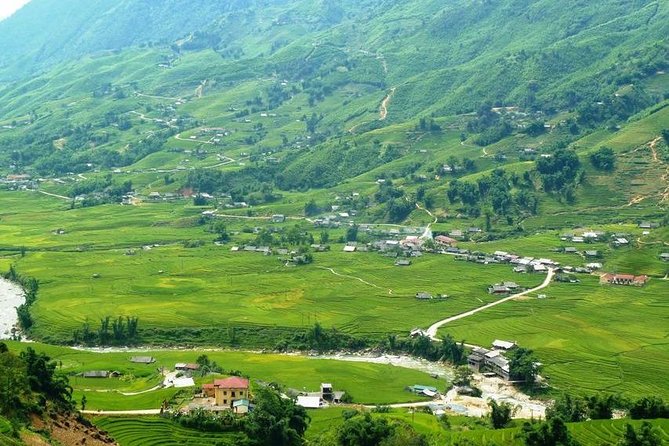
Those choosing a bungalow, private homestay, or dormitory usually take the Y Linh Ho, Lao Chai, and Ta Van route on day one. On day two, the program generally shifts to Giang Ta Chai Village.
This version gives you a stronger rural feel. You may have breakfast prepared by the family, then set out on a new trek through village paths and mountain scenery. The walk is listed at about three hours, but the exact effort depends on weather, pace, and the condition of the paths.
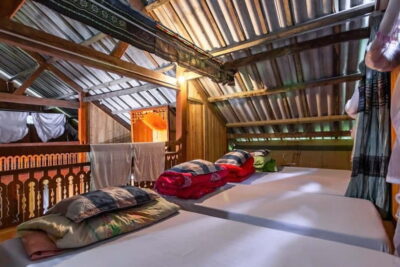
A homestay can be the most memorable option because it puts you closer to local life. You may eat a family-style dinner and share a simple setting with other people. At the same time, you should not expect hotel service. Some hosts are warm and welcoming, while others may offer little conversation or speak limited English.
The bungalow and homestay choices can also involve less predictable organization. Confirm the property name, meal arrangements, and pickup details before leaving Hanoi. If privacy, a private bathroom, and a reliable front desk matter to you, the hotel option is safer.
Choosing between a hotel, homestay, bungalow, and dorm
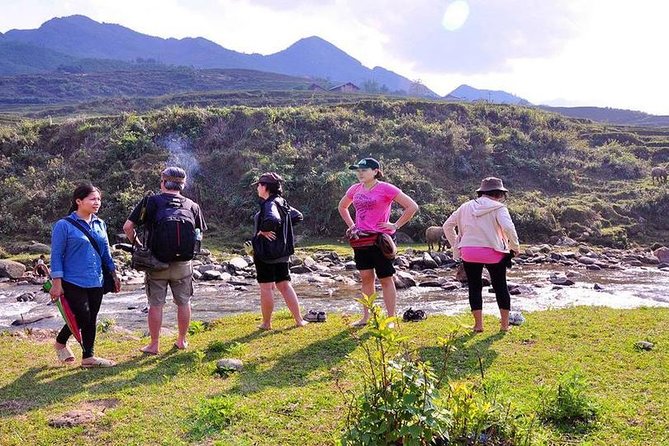
The accommodation choice affects both comfort and the walking plan.
A 3-star or 4-star hotel usually means Cat Cat on the first day and the longer valley trek on the second. This gives you a gentler first afternoon and a more comfortable base, though hotel quality can vary. The Sapa Charm Hotel has been used for this option, with some people finding the room spacious and the meals good, while others found the beds hard and the breakfast disappointing.
The private homestay and bungalow options provide more contact with village life. You may enjoy a charming setting and a generous family meal, but service and hospitality can vary from one household to another. The point is local atmosphere, not polished facilities.
The dormitory is the budget choice. It makes sense if you care more about the trekking than your bed and want to keep the overall cost down. Ask in advance about room arrangements if you are booking with a companion.
At $117, the price covers round-trip van transport, lodging, an English-speaking guide, entrance tickets, breakfast, dinner, and two lunches. That is fair value for a short Sapa visit, especially if you would otherwise need to arrange several separate services. You still pay for drinks, personal purchases, and any holiday or New Year surcharge.
Meals, cash, and village shopping

Meals are provided, but they are best viewed as practical tour meals rather than a reason to book the trip. Menus can include typical Vietnamese dishes, rice, vegetables, tofu, chicken, and hot pot. Portions and quality may vary by hotel and restaurant.
You may prefer to eat elsewhere in Sapa on your free evening. The included dinner remains useful, but it does not prevent you from choosing a restaurant in town if you want more variety. Drinks are not included, so carry cash for water, coffee, and other purchases.
Bring Vietnamese dong. The tour information warns that banking services in Sapa may not always work well, and cash is useful for snacks, drinks, souvenirs, and local transport. US dollars, euros, and Australian dollars may be accepted in Sapa, but dong is the safer choice.
Street vendors may approach you along the walking routes and in town. Handmade bracelets, scarves, bags, clothing, and hair bands can be appealing, but decide what you want to spend before the trek. A friendly but firm no thanks is often enough if you do not want to buy.
Weather, footwear, and the real level of effort

Sapa weather changes quickly. Warm clothing, a scarf, hat, and cap are recommended, particularly from September through March. Fog is common in December, January, February, and March, so mountain views are not guaranteed.
Sun cream and sunglasses matter even on cool days. Insect repellent is also useful. Pack a light rain layer because wet paths can change the character of the walk within minutes.
The walking deserves an honest warning. The longer route may run for around eleven kilometers, and several hours of climbing and descending can leave you tired. Muddy slopes are not a minor inconvenience. They can be slippery enough to cause a fall, especially on downhill sections.
Most people who can manage uneven ground and several hours of hiking should be able to participate, but this is not a good match for serious mobility problems. If you have walking limitations, tell the operator before departure and ask for a shorter route. The guide may be able to adapt, but you should not rely on last-minute changes.
The guides are the strongest part of the experience
The quality of the guide can shape the entire trip. Local guides such as Ai, Lilly, May, Zua, Su, Rua, Lu, and Vu have been praised for clear English, patience, humor, cultural knowledge, and good judgment on the trail.
A guide from a local community can give you details that you would miss alone, such as how people farm the terraces, how village groups differ, and what daily life is like away from Sapa town. The best guides also point out safe footing and stop at good photo spots without turning the walk into a rushed procession.
Not every guide provides the same amount of history or cultural explanation. If that matters to you, ask questions as you go. The tour is strongest when you treat the guide as a conversation partner rather than simply someone leading the path.
The group size is capped at 14, which is small enough for questions and route adjustments. Still, the wider operation can involve several vans, hotels, guides, and village transfers. That helps explain why arrangements sometimes feel loose.
Who should book this Sapa tour?
I would choose this trip if you have only two days, want the major Sapa village routes arranged for you, and do not want to organize transport, meals, guides, and lodging separately. It is particularly good for people who want mountain scenery and local contact more than high-end comfort.
Choose the hotel option if you prefer a shorter first trek, a private room, and a more familiar base. Choose a homestay or bungalow if the rural setting matters more than predictable service. The dormitory suits a budget-focused itinerary.
I would hesitate if you dislike long road journeys, muddy paths, loose schedules, or basic meals. I would also avoid it if you need guaranteed accessibility or a very gentle walking program.
Should you book it?
Book this tour if you can accept a long ride, changing weather, and a real hike in exchange for Sapa’s terraces and villages. The guides and scenery are the main rewards, while transport, communication, and accommodation are the weak spots.
For the best chance of a good trip, wear sturdy shoes, bring cash and warm layers, confirm your pickup and hotel details, and ask exactly which route comes with your accommodation choice. Cancel without a fee up to 24 hours before departure if your plans change. At $117, this is a useful, good-value introduction to Sapa, but it is not a luxury tour simply because the vehicle is called a limousine.
FAQ
How long is the Hanoi to Sapa journey?
The journey usually takes about five to six hours each way, with breaks along the route.
Where does pickup take place in Hanoi?
Pickup and drop-off are offered at hotels in Hanoi’s Old Quarter. The stated meeting area is Hoan Kiem.
What time does the tour start?
The listed start time is 6:30 a.m. Pickup windows can vary by accommodation option, with some pickups beginning around 6:00 a.m.
Which villages does the tour visit?
The routes include Cat Cat, Y Linh Ho, Lao Chai, Ta Van, and Giang Ta Chai. The exact order depends on your accommodation choice.
Is the walking difficult?
The walking can be demanding, with steep, muddy, slippery, and uneven sections. The longer route may take several hours and can cover around eleven kilometers.
What accommodation choices are available?
You can choose a dormitory, bungalow, private homestay, 3-star hotel, or 4-star hotel, depending on the booking option.
Are meals included?
Breakfast, dinner, and two lunches are included. Drinks and personal purchases are not included.
Is transport included in the $117 price?
Yes. The price includes round-trip limousine van transport between Hanoi and Sapa, with pickup and drop-off in the Old Quarter.
Can I cancel the tour for a refund?
You can cancel at least 24 hours before the local start time for a full refund. Cancellations or changes made less than 24 hours before departure are not accepted for a refund.
More Luxury Van Tours in Hanoi
- Maui: Famous Road to Hana Waterfalls and Lunch by Mercedes Van
★ 5.0 · 1,129 reviews - Skip The Bus: San Francisco By Luxury Van Tour
★ 5.0 · 800 reviews - Maui: Road to Hana Luxury Limo-Van Tour with Helicopter Flight
★ 5.0 · 762 reviews - Tokyo Private Full-Day Tour by Car or Van
★ 5.0 · 684 reviews
More Luxury Van Tours in Vietnam
- Private Transfer by Limousine Van: Hanoi, Sapa, Ninh Binh, Halong
★ 5.0 · 4 reviews - Hue To Hoi An By Private Car via Hai Van Pass, Golden Bridge, Marble Mountains
★ 5.0 · 103 reviews - Hue to Hoi An by Private Car via Golden Bridge & Hai Van Pass
★ 5.0 · 95 reviews - Hoi An – Danang – Hue: Private Car via Hai Van Pass and More
★ 5.0 · 89 reviews
Just added around Hanoi
- Private car Hanoi to Ninh Binh (Tam Coc, Trang An) and vice versa★ 5.0 · 6 reviews
- Bai Dinh pagoda – Trang An 1 day with Limousine bus★ 5.0 · 4 reviews
- Bai Dinh Pagoda, Trang An boat and Mua Cave Limousine from Hanoi★ 5.0 · 13 reviews
- Full Day Tour in Hanoi City by Limousine Bus★ 5.0 · 9 reviews
- Ninh Binh 2D1N Excursion from Hanoi by Limousine★ 4.5 · 6 reviews
- Hanoi – Hoa Lu – Tam Coc – Mua Cave – 1 Day / By Luxury Limousine & Small Group★ 5.0 · 18 reviews
- Hoa Lu – Tam Coc Full-Day Tour from Hanoi with Limousine Transfer★ 5.0 · 14 reviews
- Hanoi : Halong Bay 7-Hour Luxury Cruise with Limousine Transfer★ 4.0 · 4 reviews
Hanoi Limo Tours, compared.
2-Day Sa Pa Ethnic Homestay Tour & Trek with Limousine Bus
Read our review →
Halong bay 5star Cruise Day Trip: Buffet lunch & Limousine bus
Read our review →
Halong Bay Day Tour 6Hour Deluxe Cruise Limousine Bus Small Group
Read our review →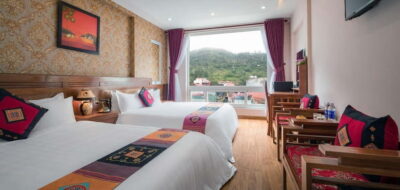
From Hanoi: 2-Day Sapa Limo Bus Tour & Fansipan Peak Visit
Read our review →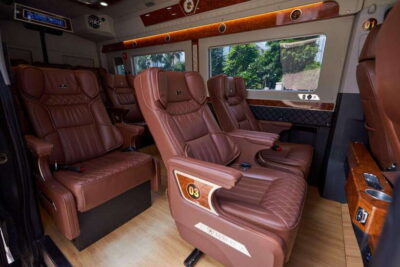
From Hanoi: 2-Day Sapa Trek Tour – Luxury Limousine Transfer
Read our review →
Ninh Binh Tour Bai Dinh Trang An Mua Cave Small Group Limousine
Read our review →
Ninh Binh Luxury Day Tour by Limousine- Small Group- All included
Read our review →
From Hanoi: 2D1N Ha Long Bay Deluxe Cruise with Bus Limousine
Read our review →Browse the lists this tour appears in