

Review · INDIA
Immersive culture tour of Pune by private car with guide and local lunch
Pune’s story is best understood through its contrasts: a beloved Ganesh temple, the former seat of Maratha power, a museum filled with everyday Indian art, and a palace tied to the freedom movement. This private day tour brings those pieces together with guide Ajit, who explains the city’s religion, politics, food, and social history in clear English. I especially like the included lunch and the fact that all admission fees and transport are covered. My one caution: five major stops in eight hours can feel full, especially if you want long, quiet visits at every site.
I like the private-car format because it saves you from piecing Pune together on your own. I also like the range of stops: this is not only a palace-and-monument outing, but a look at spiritual life, collecting, Maratha rule, modern biography, and India’s independence movement.
Key points at a glance
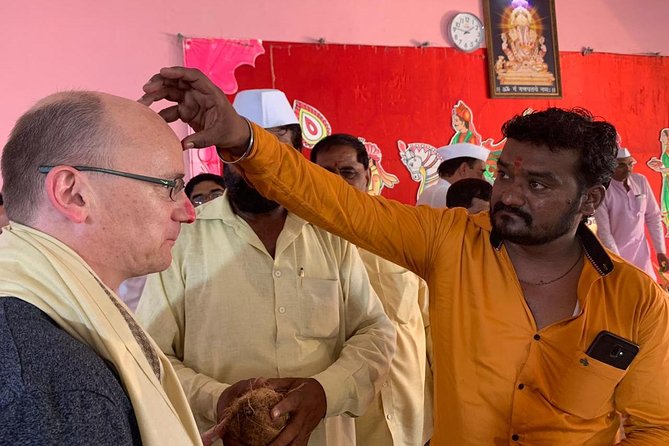
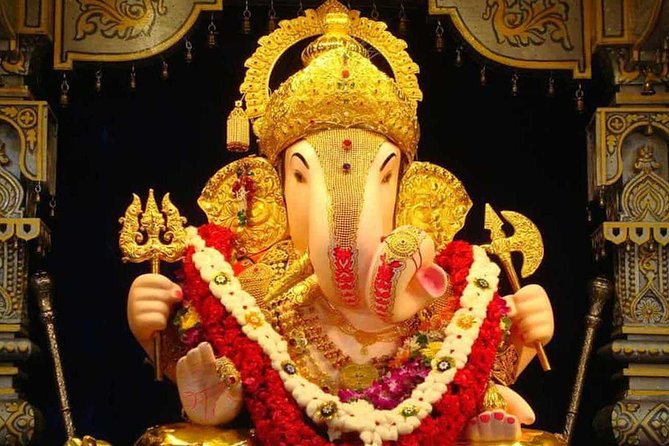
- Dagdusheth Ganpati Temple: Begin with Pune’s best-known Ganesh shrine, founded in 1892 after a sweet maker lost his son to plague.
- Five very different stops: The route combines a temple, two museums, a former power center, and a national monument.
- Ajit’s guiding: Expect explanations about Pune’s history, religion, culture, food, and freedom struggle.
- Local lunch included: Food is part of the day, not an extra charge or an afterthought.
- Private car and pickup: Your group travels together, with more room to adjust the pace than on a large shared outing.
- Full-day value: At $117.34 per person, the price covers about eight hours, transportation, lunch, and entry fees.
Why this Pune day works well for first-time visitors
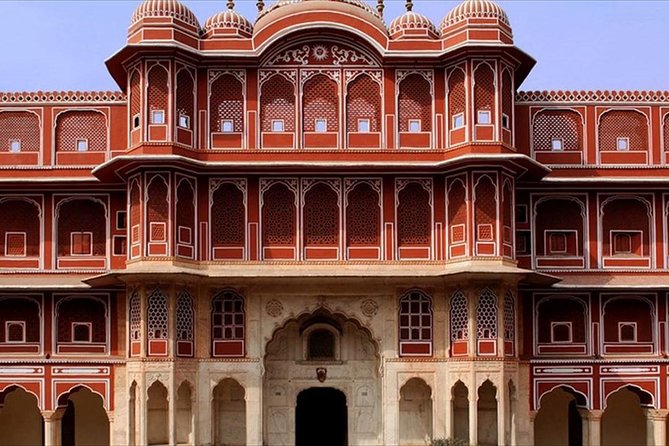
Pune can be hard to read at first. Its important sights are spread across different parts of the city, and the city’s identity is not tied to one famous monument. This tour gives you a useful first look by moving through several layers of Pune in one day.
You begin with faith at Dagdusheth Ganpati, then shift to art and domestic objects at the Raja Dinkar Kelkar Museum. Shaniwar Wada brings in the Maratha political story, while the Darshan Museum presents the life and teachings of Sadhu Vaswani. The final stop, Aga Khan Palace, connects Pune with India’s freedom movement.
That range is the tour’s main strength. You are not simply checking off buildings. You are seeing how religion, home life, politics, spirituality, and national history overlap in one city.
Ajit is the guide most closely associated with this experience. His role matters because many of the places need context. A temple visit can otherwise become a quick look at a decorated shrine, and a palace can feel like an empty shell without the people and events connected to it. The day works best when you ask questions and let the guide connect one stop to the next.
More Private Cars with a Driver in India:
- Taj Mahal and Agra Private Car Tour from Delhi with 5* Lunch
★ 5.0 · 1,633 reviews - Private Car and Drive for Golden Triangle (4N/5D)
★ 5.0 · 451 reviews - From Delhi: Jaipur Day Trip by Fast Train or Private Car
★ 4.8 · 332 reviews
8:30 a.m. pickup and the private-car advantage
The tour begins at 8:30 a.m., with pickup offered and transportation included. That early start gives you a practical chance to cover five substantial stops before the day gets away from you.
A private vehicle is especially useful here. You do not need to organize separate rides between the temple, museums, Shaniwar Wada, and Aga Khan Palace. You also avoid the uncertainty of finding transport after each visit. Since only your group participates, the day can have a more personal feel than a large group tour.
Private does not mean every stop can last as long as you wish. The advertised duration is about eight hours, and the planned visits add up to roughly four and a half hours before driving, lunch, and any transitions. You should expect a well-filled day rather than a slow, museum-by-museum study tour.
The format is best for couples, families, and small groups who value convenience and explanation. It is also useful if you have limited time in Pune and want an organized introduction without booking separate visits.
Dagdusheth Ganpati Temple: Pune’s spiritual opening
The first stop is Shrimant Dagdusheth Halwai Ganpati Mandir, one of Pune’s most famous temples. The temple is dedicated to Lord Ganesh and was built in 1892 by a sweet maker who had lost his son to plague.
That origin gives the visit a human starting point. You are not only looking at a religious building. You are seeing how grief, devotion, and public religious life became part of Pune’s story.
The planned visit lasts about 30 minutes, with admission included. That is enough for an introduction and a chance to take in the temple’s importance, but it is not a long temple study. Dress and behavior should suit a place of worship, and you should be ready for this to feel more like an active religious site than a silent museum.
This is a strong first stop because it puts local faith before formal history. Ajit can also help explain the role of Ganesh worship in Pune, an aspect that may be difficult to understand from a quick independent visit.
Kelkar Museum: a collector’s view of India
Next comes the Raja Dinkar Kelkar Museum, scheduled for about one hour. The museum is known for one of the largest one-person collections in the world. Dinkar Kelkar traveled through remote parts of India and collected objects from across the country.
The appeal is the variety. Instead of focusing on one dynasty or one artistic period, the museum presents a broad view of Indian material culture through collected objects. That makes it a useful counterpoint to the grand buildings later in the day.
You will get more from this stop if you pay attention to the stories behind the objects rather than trying to see every item. One hour is enough for a focused visit, but the collection can feel dense if you rush through it.
This is also where a guide adds real value. Ajit can help explain why particular objects matter and how they fit into Indian cultural life. Without that background, a collection this large can become a procession of unfamiliar forms.
More Lunch Experiences in India:
- Total Chennai city tour in Private car with guide & lunch by Wonder tours
★ 5.0 · 79 reviews - World heritage Ahmedabad city tour in private car with guide and lunch
★ 5.0 · 44 reviews - Kolkata tour in private car with guide & lunch for immersive cultural experience
★ 5.0 · 18 reviews - From Delhi: Taj Mahal & Agra Fort Luxury Tour with 5* Lunch
★ 5.0 · 13 reviews
Shaniwar Wada: Maratha power and difficult stories
The tour then moves to Shaniwar Wada, the former seat of power of the Peshwas, or prime ministers, of the Maratha Empire. The Marathas were a major force in India between the 17th and 19th centuries, and Shaniwar Wada is the clearest political stop on the route.
The visit is planned for about an hour, with entry included. This is the place to focus on Pune’s role in regional power rather than expecting a complete palace interior. The site’s importance comes from the people and events associated with it as much as from the surviving structure.
The history here includes ambition, administration, conflict, and legend. A good explanation helps separate what is historically established from the stories that have grown around the site. Ajit’s role is particularly useful here because the building alone cannot tell you why Shaniwar Wada mattered.
I would give this stop your attention even if you are not normally a fort or palace enthusiast. It helps explain why Pune became such an important center and gives the rest of the day a political backbone.
Darshan Museum: a modern spiritual portrait
The Darshan Museum changes the pace again. This is a biographical museum devoted to Sadhu Vaswani, a spiritual leader who taught the importance of love and reverence for human betterment.
The scheduled visit is about one hour. Compared with the older temple, museum collection, and Maratha site, this is a more focused presentation of one person’s life and ideas.
The stop will suit you if you enjoy learning how religious and social teachings are presented for a modern audience. It may be less important to you if your main aim is architecture or ancient history. Still, its inclusion makes the tour more balanced. Pune is not presented only as a city of old rulers and monuments.
The Darshan Museum also gives you a chance to ask broader questions about Indian religious thought and social education. The day’s strongest thread is this movement between places and ideas, rather than a single historical period.
Aga Khan Palace: Pune and the freedom movement
The final destination is Aga Khan Palace, planned for about an hour. Built in 1892 by Imam Sultan Muhammad Shah Aga Khan III, it is now a national monument connected with India’s freedom movement.
This is one of the tour’s most important stops because the building carries both architectural and political meaning. It is not simply a grand residence. It is tied to a defining chapter in modern Indian history.
Give yourself time to listen here. The palace’s significance can be easy to miss if you only walk through the grounds and admire the structure. The guide’s explanation helps place the site in the wider story of India’s struggle for independence.
For many people, this and Shaniwar Wada will be the day’s strongest historical stops, but they represent very different kinds of power. Shaniwar Wada points to Maratha rule and regional authority. Aga Khan Palace points to the national freedom movement and the making of modern India.
The local lunch is part of the experience
Lunch is included at no extra cost, and that matters for both value and rhythm. A full day of sightseeing is better when you do not have to stop and negotiate a restaurant on your own.
The food is described as local, and the lunch has become one of the most memorable parts of the day for some visitors. You should see it as a chance to learn about Pune through food, not merely as a convenient meal between attractions.
The exact restaurant and menu are not specified, so I would not book this expecting one particular dish. Instead, ask Ajit what you are eating and how it fits into local food culture. That small conversation can turn lunch into one of the day’s most useful cultural moments.
The meal also helps break up the museums and monuments. After several hours of looking, listening, and walking, a proper local lunch gives the day a welcome pause.
What the price includes, and where the value lies
The listed price is $117.34 per person. That is not the cheapest way to see Pune, but the comparison is not simply between this tour and a series of low-cost entrance tickets.
The fee includes a private car, hotel pickup, a guide, lunch, and admission to the listed sites. It also buys you a full day of planning. You do not have to work out the order of stops, arrange transport across the city, or pay separate entry fees as you go.
The value is strongest for a small group. If several people share the private vehicle, the personal service and convenience become easier to justify. Group discounts are also offered, though the exact savings are not given.
The price is less compelling if you prefer to spend half a day in one museum, use public transportation, and arrange food independently. This tour is built for coverage and context. You are paying to see several major parts of Pune in one organized outing.
The experience is commonly booked well ahead, with an average lead time of 33 days. If your dates are fixed, do not leave it until the last minute.
Pace, comfort, and practical limits
The tour lasts approximately eight hours, and the itinerary is active without being described as strenuous. Most people can participate, and the route is near public transportation, though this is still a private-car experience rather than a public transit tour.
The main practical concern is time. Five stops give you a broad introduction, but no single place receives a long, scholarly visit. If you want extended time for photography, detailed museum viewing, or quiet reflection, you may need to accept a shorter visit at another stop.
The relaxed pace mentioned by past customers is encouraging, but the day remains full. Your experience will also depend on traffic, the amount of time spent at lunch, and how many questions you ask.
Free cancellation is available until 24 hours before the start time. Changes or cancellations inside that window are not accepted for a refund. The experience requires good weather, and if poor weather causes cancellation, you are offered another date or a full refund.
Who should book this Pune tour?
I would choose this tour if you are visiting Pune for the first time, have one open day, and want help making sense of the city. It is also a good match if you care about history but want religion, food, and everyday culture included.
Families may appreciate the private vehicle and the ability to stay with their own group. Couples and small groups will get the most from Ajit’s personal explanations and the flexibility of a private outing.
You should think twice if you dislike structured sightseeing or prefer to linger in one place. The itinerary is broad by design. It gives you a strong first look, not an exhaustive study of Pune’s museums and monuments.
Should you book it?
Book this Pune tour if you want a well-rounded day with Ajit’s personal guidance, a private car, included entry fees, and a local lunch. The best feature is the range: temple, collection, palace, spiritual museum, and freedom monument all appear in one day.
The main tradeoff is pace. You will cover a lot, but you will not have unlimited time at any stop. For a first visit, that is a fair bargain. You leave with a clearer sense of Pune’s faith, politics, culture, food, and place in India’s modern story.
FAQ
What time does the Pune tour start?
The tour starts at 8:30 a.m.
How long does the experience last?
The experience lasts approximately eight hours.
Is transportation included?
Yes. Transportation by private car is included, and pickup is offered.
Is lunch included in the price?
Yes. A local lunch is provided at no extra cost.
Are admission fees included?
Yes. Entry fees for the scheduled attractions are included.
Is this a private tour?
Yes. Only your group participates in the activity.
Just added around India
- Private Day Trip to Jaipur from Delhi via Expressway★ 4.5 · 17 reviews
- Taj Mahal Day Tour with Private Car and Driver from New Delhi★ 5.0 · 8 reviews
- Full-Day New and Old Delhi Private Car Tour with Pick Up★ 5.0 · 7 reviews
- Private 4 Days Golden Triangle Tour from New Delhi with Driver★ 5.0 · 4 reviews
- Agra Taj Mahal Sunrise Visit from Delhi by Private Car with Guide★ 4.5 · 3 reviews
- Full day city tour of Delhi with Guide and Private Car★ 5.0 · 16 reviews
- 12 Hour Sunrise Taj Mahal Tour From Delhi By Private Car★ 5.0 · 18 reviews
- 2 Days Delhi Agra and Fatehpur Sikri Tour By Private Car★ 5.0 · 4 reviews
India Limo Tours, compared.
Taj Mahal and Agra Private Car Tour from Delhi with 5* Lunch
Read our review →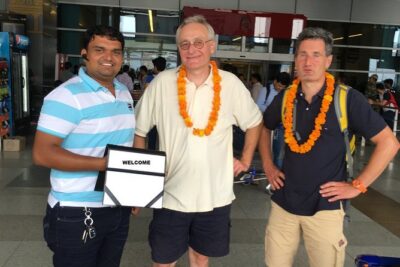
Private Car and Drive for Golden Triangle (4N/5D)
Read our review →
Taj Mahal & Agra Private Day Tour from Delhi – All Inclusive
Read our review →
From Delhi: Jaipur Day Trip by Fast Train or Private Car
Read our review →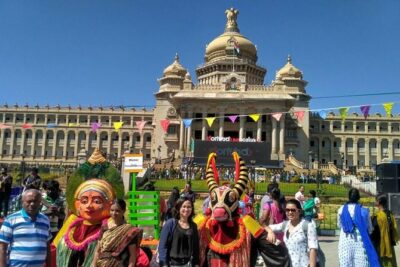
Bangalore city tour with English guide & multi language support
Read our review →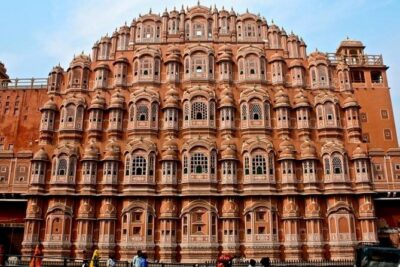
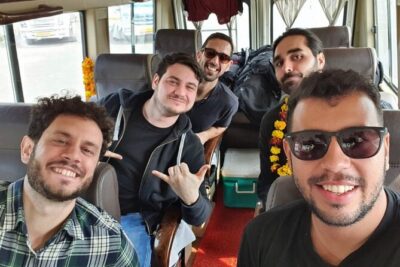
Golden Triangle Agra Jaipur with Namaste Private Driver India
Read our review →
Jaipur Sightseeing Tour with Private Car and Driver
Read our review →Browse the lists this tour appears in