
Review · TOKYO
Luxury van Ride to famous car meet up spot Daikoku
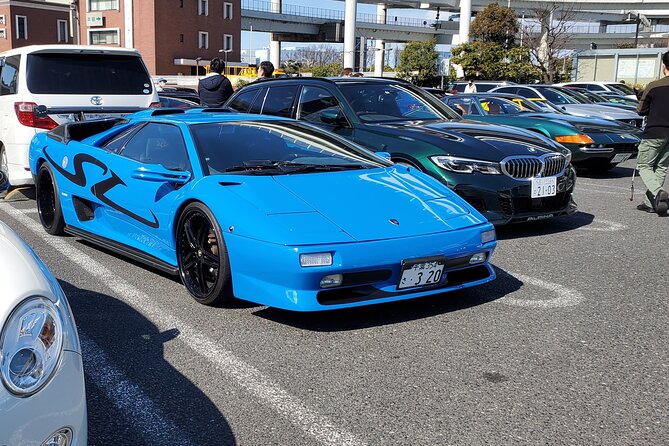
Daikoku Parking Area is where Tokyo’s car culture gets loud, shiny, and wonderfully unpredictable. This small-group ride takes you across the city’s elevated highways, over Rainbow Bridge, and out to a parking area where you might find tuned Japanese cars, rare collectibles, Ferraris, Lamborghinis, and several generations of Nissan GT-Rs.
I like the personal service from Jeremy and his team, plus the easy access to a place that ordinary taxis and public transport cannot serve. I also like the extra Tokyo sightseeing, especially the night views around Odaiba. The main catch is simple: the van ride is transportation first, and the number of cars at Daikoku can change sharply with the weather, day, and time.
Key points before you book
- Daikoku is unpredictable: You might see 40 or 50 excellent cars, or arrive on a quiet night with very little happening.
- The standard vehicle is a six-passenger van: A GT86 or another special car may be available, but it is not guaranteed.
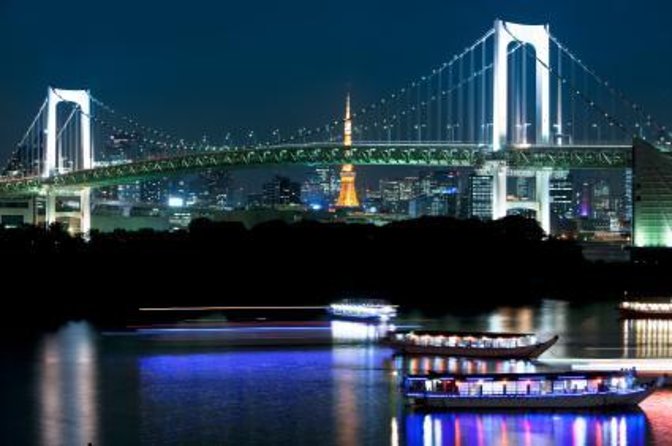
- Rainbow Bridge and Odaiba add real sightseeing value: The drive is more than a simple transfer across Tokyo.
- You get about 90 minutes at Daikoku: That is enough for a good look around, but serious car fans may want longer.
- The group limit is six people: This keeps the ride more personal than a large bus outing.
- The meeting point is in central Tokyo: It is near public transport, but allow time to find the garage at 5-8 Funamachi.
Why Daikoku Parking Area is worth the trip
Daikoku Parking Area is not a regular car museum. There are no display cases, fixed opening hours, or promised lineup. Cars arrive and leave on their own schedule, which is exactly why the place feels exciting.
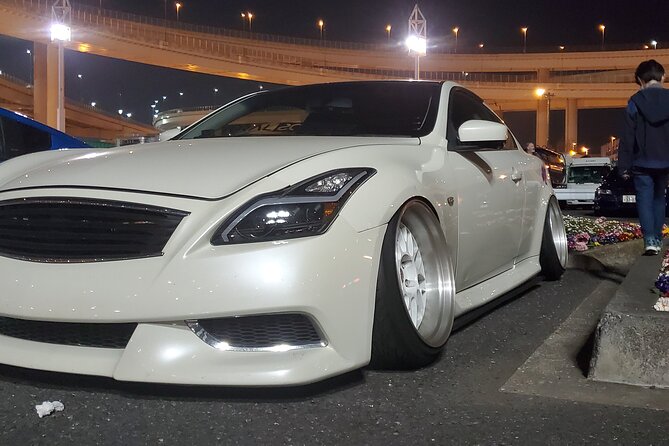
On a strong evening, you might see modified Japanese cars, prized JDM models, supercars, and older collectibles sharing the same parking area. One outing included Ferraris, Lamborghinis, BMWs, a 1970s Barracuda, several GT-Rs, and multiple Silvias. Another brought a large mix of tuned cars even on a weekday.
That variety matters. You are not simply looking at one manufacturer’s collection. You are watching Japanese car culture gather in its natural setting, with the lineup changing from one visit to the next.
Still, you should set your expectations correctly. Daikoku is not guaranteed to be packed. The operator explains that some days bring around 50 cars, while others may have 250. Rain and poor weather can reduce the turnout, although one rainy Friday still produced a worthwhile evening.
This uncertainty is part of the appeal, but it is also the tour’s biggest weakness. If your goal is to see a specific model, no one can promise it will be there.
More Luxury Van Tours in Tokyo:
- Tokyo Private Full-Day Tour by Car or Van
★ 5.0 · 684 reviews - Tokyo Private Driving Tour by Car/Van with English Chauffeur
★ 5.0 · 156 reviews - Maui: Famous Road to Hana Waterfalls and Lunch by Mercedes Van
★ 5.0 · 1,129 reviews
The ride through Tokyo comes with its own rewards
The journey begins at 5-8 Funamachi in Shinjuku City. The garage is close to public transport, with access from Akebonobashi or Yotsuya-Sanchome stations described as less than a ten-minute walk. The meeting place is near small local eateries, which is handy if you want food before or after the outing.
From there, you ride along Tokyo’s elevated highways. The route threads between skyscrapers, bridges, and monorails, giving you a moving view of the city that you will not get from a subway platform.
The best part comes when the vehicle crosses Rainbow Bridge toward Odaiba. At night, the Tokyo skyline opens around you, and the bridge itself becomes part of the attraction. If you are booking this only as a transfer to Daikoku, the city drive is a pleasant bonus. If you are bringing a family member who is less interested in cars, it gives the outing another reason to be enjoyable.
The route also includes a short stop on the artificial island of Odaiba. You will see the futuristic Fuji building and have a chance to pause before continuing to Daikoku. This is not a long sightseeing visit, so do not treat it as a full Odaiba tour. Think of it as a quick break and a chance to take in Tokyo’s modern architecture.
What the small group setup feels like
The maximum group size is six people. That is a useful middle ground. You get more room and personal attention than on a coach, without paying for a private vehicle.
Jeremy is often the guide and driver, and the strongest part of the experience is his enthusiasm for Japanese cars and Tokyo driving. He explains car culture, local highways, and the transport system while you ride. The conversation can be a major part of the value, especially if you want more than a silent ride to the parking area.
The service also seems flexible in sensible ways. A pickup point near a hotel has sometimes been arranged when it was on the route, and the guide has waited for the group before leaving. One family also found the service comfortable enough for their two young adult children to attend on their own.
Do not assume every request can be handled on the day, though. A change from the van to a sports car may not be possible if you booked the van option, and a different drop-off station is not always available. Confirm the vehicle and return point before you pay if those details matter to you.
The van, the sports car question, and what you actually pay for
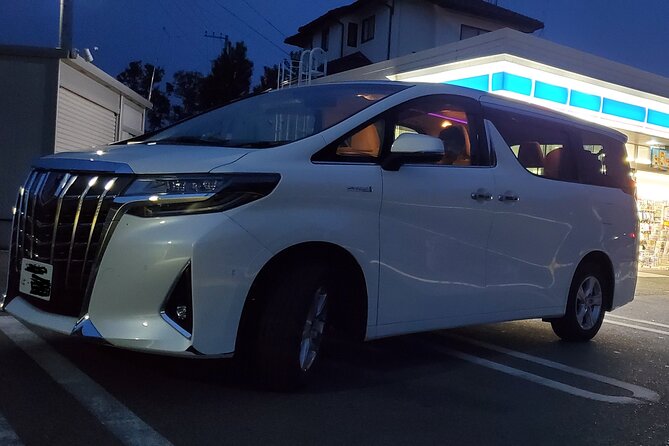
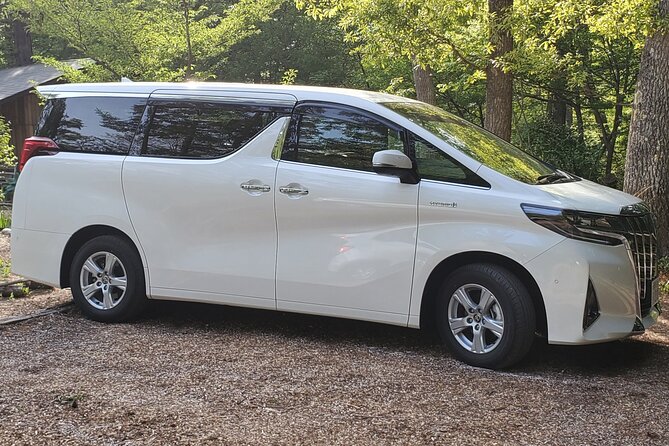
The advertised experience is a luxury van ride. The six-passenger vehicle is family-friendly and gives you a comfortable way to reach Daikoku, which is important because regular taxis and public transport cannot simply take you there.
Some outings have included a free upgrade to a Toyota GT86, a tuned Toyota, or an R35 GT-R. That makes for a memorable ride, but these cars should be treated as occasional extras, not part of the standard promise.
A few disappointed customers expected the GT86 after seeing sports cars at the garage, then found themselves riding in the van. The operator has since made the vehicle details more precise. My advice is straightforward: book this for access to Daikoku, not for a guaranteed sports-car ride.
At about $72.67 per person, the price is reasonable compared with many other Daikoku transport options, particularly if the van is full and you value the guided drive through Tokyo. You are paying for transport to a difficult-to-reach place, a small group, the city route, and local car knowledge.
The value drops if you think of it as a simple one-hour transfer. Some people have felt that the price was high because the time at Daikoku was limited and the trip used a van. The fair way to judge it is this: the tour is good value for a convenient, guided evening with city views, but less compelling if you only want to be dropped off and left for several hours.
More Limo Tours in Tokyo:
- Tokyo Private Sightseeing Tour by Car- English speaking chauffeur
★ 5.0 · 1,004 reviews - Tokyo Private Tour by Vehicle with English-Speaking Chauffeur
★ 5.0 · 504 reviews - Private Car Tour to Mt. Fuji Lake Kawaguchiko or Hakone
★ 5.0 · 360 reviews - Mt Fuji Exclusive Tour with Private Car English Guide
★ 5.0 · 116 reviews
Around 90 minutes among the cars
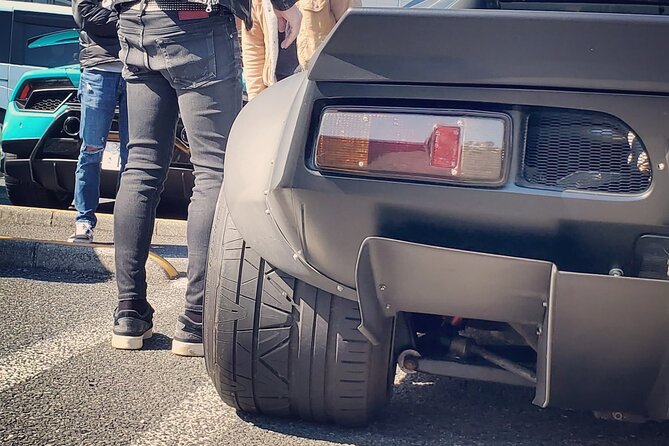
The main stop at Daikoku Parking Area lasts about one hour and 30 minutes. That gives you time to walk around, look at the cars, take photos where allowed, and watch new arrivals come in.
For a first visit, 90 minutes is usually enough to see the full area without rushing. Several outings have found that an hour was sufficient, especially when the parking area had a solid lineup. You can make a quick circuit first, then return to the cars that interest you most.
The problem is timing. A quiet arrival can become busy just as you are due to leave. One outing reached the lot when there were few cars, then had to depart when the gathering finally grew. If you are a serious enthusiast who wants time to study every car, the fixed stop may feel short.
The tour usually ends back at the original meeting point. One useful detail is the late-night rail schedule. A group returned around 10:50 p.m. and caught the last train to its homestay. Tokyo trains do not run all night, so you should keep an eye on the clock and know your route home before setting out.
Which day and time should you choose?
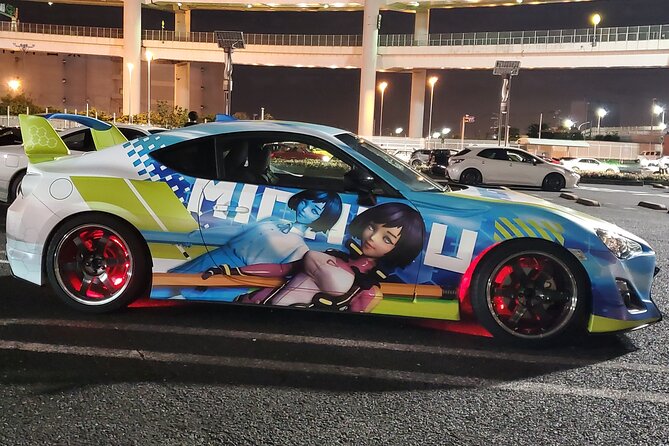
The available information does not support a guaranteed best day. Sunday mornings and Sunday afternoons have produced strong lineups, with one Sunday visit bringing around 40 to 50 notable cars and several more arriving during the stop.
Weekdays can work too. A Tuesday visit still had a good selection, while a rainy Friday produced plenty of activity. The key point is that weather and local meet schedules matter more than a simple weekday versus weekend rule.
The 3 p.m. departure has also drawn criticism because it can cost more, while giving some people less of the evening atmosphere they expected. If you are choosing between departure times, check the exact duration, expected return, and time at Daikoku rather than assuming the most expensive slot is the best one.
Since the car scene changes constantly, I would choose a time that fits your Tokyo plans and offers reasonable weather. Avoid building your entire holiday around one exact car appearing.
Practical details that make the outing easier
You receive confirmation at booking, and the activity accepts mobile tickets. Service animals are allowed, and most people can take part. The group limit is six.
The meeting point is:
5-8 Funamachi
Shinjuku City, Tokyo 160-0006, Japan
Allow extra time to find the garage. The location is near public transport, and the open garage doors and visible cars can help you identify it, but arriving early removes needless stress.
The activity lasts about two to three hours in total. In practice, the drive can take a substantial share of that time, with roughly 45 minutes each way mentioned for some outings. That leaves about an hour to 90 minutes at Daikoku, depending on the schedule.
Wear comfortable shoes, since you will be walking around the parking area. Keep your phone charged for photos and for finding your way back to the meeting point or onward transport. Most important, remember that you are visiting an active parking area, not a controlled exhibition. Follow the guide’s instructions and respect the cars and people around you.
Free cancellation is available until 24 hours before the start time. Changes or cancellations inside that window are not accepted for a refund. The trip can also be canceled if the weather is poor or the minimum group size is not met, with a different date or a full refund offered.
Who will enjoy this most?
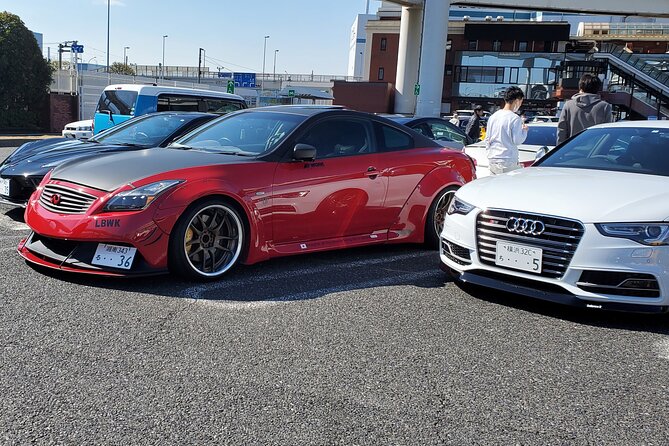
I would recommend this to car enthusiasts who want access without arranging a private ride. It suits fans of JDM cars, Japanese street-car culture, supercars, and modified vehicles. The guide’s car knowledge adds value, especially if you enjoy asking questions during the drive.
It also works well for parents with older children and for small groups of friends. The Rainbow Bridge and Odaiba section make the evening more varied than a direct transfer.
I would be more cautious if you want a guaranteed sports car, a specific GT-R, or several hours at the parking area. You should also think twice if you dislike long rides for a short visit, or if your schedule makes the late return difficult.
Should you book the Daikoku ride?
Book it if you want a practical, small-group route to one of Tokyo’s best-known car meet spots, and you appreciate the city views along the way. The friendly service, informed car talk, and access to Daikoku are the main reasons to choose it.
Just book with realistic expectations. The standard ride is a van, the lineup changes with the weather, and about 90 minutes at the lot may not satisfy an obsessive car collector. For most visitors who want a comfortable introduction to Japanese car culture, the $72.67 price is fair. For a guaranteed supercar tour, it is the wrong product.
FAQ
Where does the tour begin?
It begins at 5-8 Funamachi, Shinjuku City, Tokyo 160-0006, Japan.
Where does the tour finish?
The activity ends back at the meeting point.
How long does the tour last?
The total duration is approximately two to three hours.
How long do I spend at Daikoku Parking Area?
The planned stop at Daikoku Parking Area is about one hour and 30 minutes.
How many people can join?
The tour has a maximum of six travelers.
What kind of vehicle is used?
The standard booking is for a luxury, family-friendly van. A Toyota GT86, tuned Toyota, or R35 GT-R may sometimes be available, but those vehicles are not guaranteed.
Will I see specific cars at Daikoku?
No specific car can be promised. The lineup changes by day and weather, and the number of cars can vary widely.
Does the tour include Rainbow Bridge and Odaiba?
Yes. The route crosses Rainbow Bridge, continues to Odaiba, and includes a short break near the futuristic Fuji building.
Can I cancel for a full refund?
Yes, if you cancel at least 24 hours before the experience start time. Cancellations or changes made less than 24 hours ahead are not eligible for a refund.
Just added around Tokyo
- Tokyo Private Tour English Pro Guide By Luxury Vehicle★ 4.7 · 6 reviews
- Tokyo: Private Customizable City Tour with Chauffeur★ 4.9 · 8 reviews
- Tokyo: Nikko Private Sightseeing Day Trip with Driver★ 5.0 · 10 reviews
- Tokyo: Private Car Tour with Mai★ 5.0 · 3 reviews
- Tokyo: Private Sightseeing Tour by Car with Local Guide★ 5.0 · 2 reviews
- Tokyo: Private Customizable Day Tour with Chauffeur★ 5.0 · 3 reviews
- Tokyo Full-Day Tour with Private Car★ 4.1 · 3 reviews
- Tokyo: JDM Car Culture Tour with Mercedes C63s AMG★ 5.0 · 6 reviews
Tokyo Limo Tours, compared.
Tokyo Private Sightseeing Tour by Car- English speaking chauffeur
Read our review →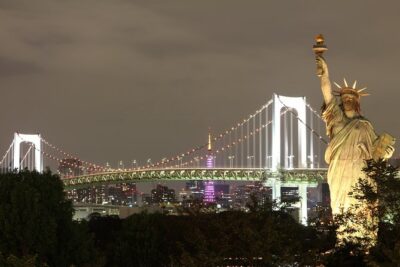
Tokyo Private Tour by Vehicle with English-Speaking Chauffeur
Read our review →
Tokyo Private Driving Tour by Car/Van with English Chauffeur
Read our review →
Tokyo Private Customizable Tour with English Speaking Chauffeur
Read our review →Browse the lists this tour appears in