
Review · TOKYO
Private Car Tour to Mt. Fuji Lake Kawaguchiko or Hakone
The best thing about this private tour is that you do not have to choose between a rigid sightseeing circuit and figuring out rural Japan on your own. You can shape a 10 to 11-hour day around Mt. Fuji and the Five Lakes, or choose Hakone’s volcanic valley, ropeway, shrines, and Lake Ashi.
I like the private minivan, especially for families and groups of up to eight. I also like the guides’ ability to adjust the day around clouds, traffic, children, older relatives, and special interests. The catch is price: at $1,286.89 per group, it makes much more sense with several people than with one or two, and a clear view of Fuji is never guaranteed.
- Flexible route: Choose about four to six stops instead of trying to cram in every listed attraction.
- Strong guide team: Ken, Tomomi, Hiroko, Bob, Taiji, Reiko, and others have led trips praised for warmth, clear English, and careful planning.
- Comfortable for families: Hotel pickup, a private air-conditioned minivan, bottled water, and a pace that can suit children or older relatives.
- Two very different day trips: Kawaguchiko focuses on Fuji views, lakes, villages, caves, and seasonal flowers. Hakone adds hot springs, volcanic activity, museums, and Lake Ashi.
- Plan around weather: Fuji may hide behind clouds, so ask your guide to visit the best viewpoint early and keep backup stops ready.
- Budget for extras: Meals, admission fees, the Fuji 5th Station toll, cruises, ropeways, and selected activities cost extra.
A private way to reach Fuji from Tokyo
This is a long day, but the private setup changes how the day feels. Instead of taking several trains and buses, you are collected at your hotel and driven toward the Fuji or Hakone area in an air-conditioned minivan. At the end, you return to your Tokyo accommodation.
That matters because the most interesting stops are spread across a wide area. Arakura Sengen Shrine, Oishi Park, Oshino Hakkai, the Aokigahara forest caves, and the ropeway are not places you can sensibly string together by walking. A private driver also lets you carry purchases, manage tired children, and avoid learning a new bus system halfway through the day.
The tour is designed around four to six sites, not all 30 listed possibilities. That is good advice. Trying to fit every shrine, cave, museum, lake, flower garden, and ropeway into one day would leave you staring out of a car window. I would decide on one main theme before departure: classic Fuji photographs, cultural sites, nature, family activities, or Hakone sightseeing.
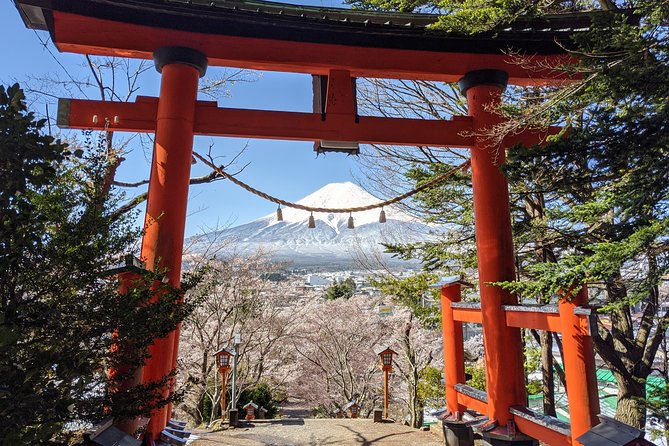
The classic Fuji photograph at Arakura Sengen Shrine
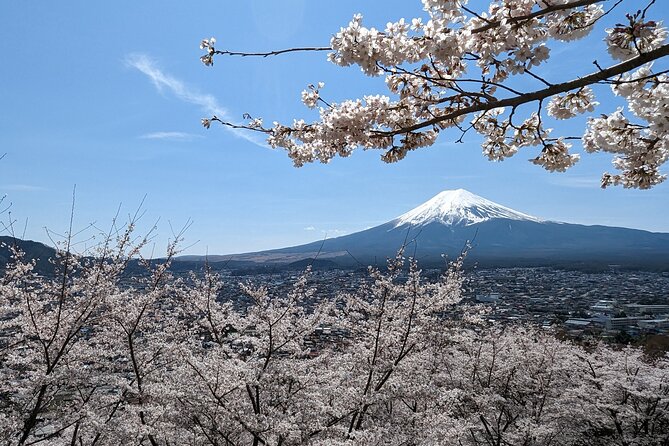
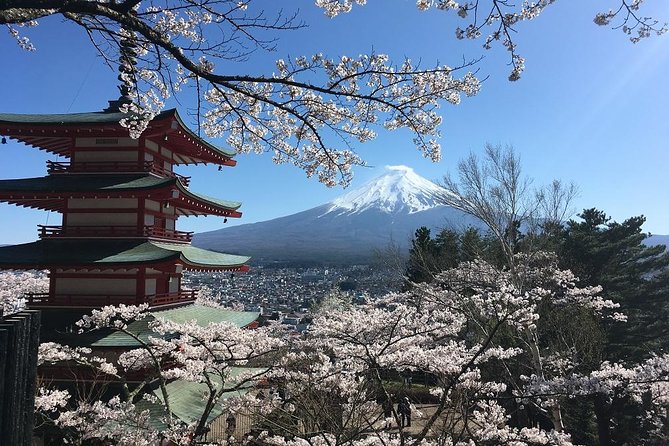
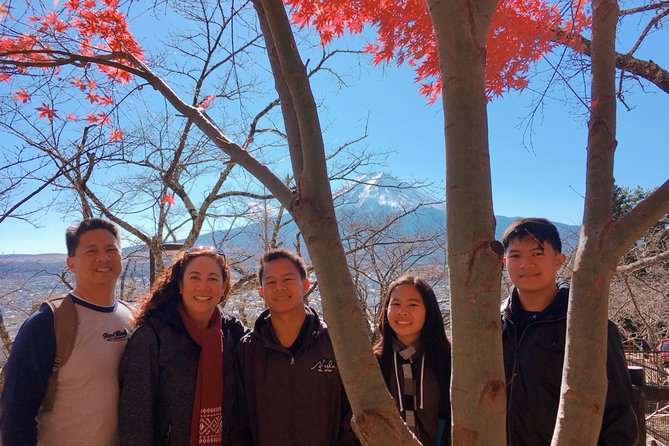
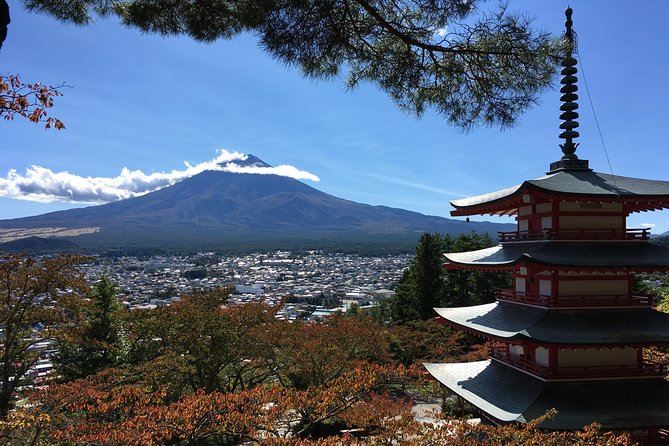
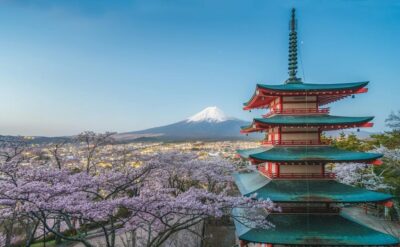
Many people begin with Arakura Fuji Sengen Shrine and Chureito Pagoda. The famous view pairs a five-story pagoda with Mt. Fuji, creating one of Japan’s most recognizable photographs.
The shrine itself is more than a camera stop. It is connected with protection from fire and the religious traditions surrounding Fuji. Arakurayama Sengen Park provides the broad view, but reaching the best lookout involves stairs. The listed stop times range from 30 to 60 minutes, so tell your guide if anyone in your group needs a slower pace.
This is one place where timing matters more than staying long. If Fuji is visible early, I would prioritize this viewpoint rather than saving it for later. Clouds can arrive quickly, and the tour does not promise a refund simply because the mountain disappears during a running tour.
More Private Cars with a Driver in Tokyo:
- Mt Fuji Exclusive Tour with Private Car English Guide
★ 5.0 · 116 reviews - Tokyo City Tour by Private Car & English guide
★ 5.0 · 91 reviews - Customizable Private Tour in Mt. Fuji with Private Driver
★ 5.0 · 69 reviews
Kawaguchiko’s flowers, shrines, and local flavor
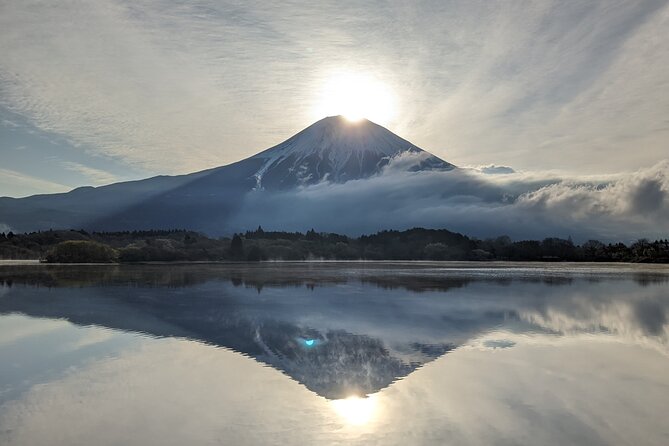
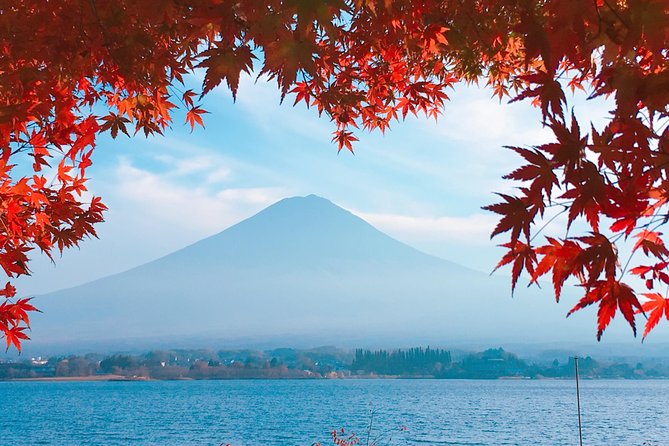
Lake Kawaguchiko is the most visited of Fuji’s five lakes and offers several ways to spend your time. Oishi Park is particularly attractive in different seasons, with more than 90 kinds of flowers and a reputation for lavender. Fuji Oishi Hana Terrace adds small shops, regional crafts, souvenirs, ice cream, and fruit sorbets.
These stops are easy to combine, but you should not treat them as interchangeable. Oishi Park is mainly about open views and seasonal flowers. Hana Terrace is better for a short break, browsing, and a snack. If you want a calmer day, one of them may be enough.
Kitaguchi Hongu Fuji Sengen Shrine gives the day a more serious cultural center. It is a major shrine on the northern side of Fuji and is linked with the old route used by people ascending the mountain. Ask your guide about the site rather than simply taking photographs and leaving. The value here comes from understanding why Fuji has long been treated as a sacred place, not just a scenic peak.
The Fuji World Heritage Center offers another way to understand the mountain. Videos and displays explain Fuji’s cultural importance and the rituals tied to the region. It is a useful indoor stop if clouds block the summit or rain interrupts the outdoor portion of your day.
Oshino Hakkai and the old village feel
Oshino Hakkai is a collection of eight ponds formed by snowmelt from Mt. Fuji. It is part of the Fujisan Cultural Site and combines water, traditional buildings, food stalls, and small shops.
I would choose this stop if you want an easy mix of scenery and local-style snacks. It is less about a long walk and more about seeing the clear ponds, trying Japanese street food, and browsing. The site can feel busy, particularly on popular days, so keep your expectations realistic.
Nearby, Saiko Iyashi no Sato Nenba offers a more carefully arranged historic village setting. Thatched-roof houses sit against a Fuji backdrop, and local artists and craftspeople work in the area. You can reserve kimono or samurai armor rentals, which makes this a fun choice for families and photographers.
The admission fee is not included at Nenba. It is also not the place to rush through in 20 minutes if you want to browse the craft work or arrange a costume. I would allow at least an hour if this is one of your main stops.
Caves and the Aokigahara forest
The Aokigahara Jukai forest grew over old lava flows from Fuji and contains several volcanic caves. The tour can include Narusawa Ice Cave, Fugaku Wind Cave, or Saiko Bat Cave.
These are short but unusual stops. Narusawa and Fugaku generally take 15 to 30 minutes each, while Saiko Bat Cave takes about 20 to 45 minutes. The caves are not simply scenic photo points. They offer a close look at the effects of Fuji’s volcanic activity.
You should consider mobility before choosing them. Cave floors and passages may be uneven, and the experience is more physical than a lakeside viewpoint. Admission is extra, and it would be wasteful to select several caves if your group prefers museums, gardens, or relaxed meals.
The forest itself can support a short walk, but the tour information describes a 30-minute option rather than a full hiking day. Ask your guide for the most suitable route and allow time for the drive between sites.
More Limo Tours in Tokyo:
- Tokyo Private Sightseeing Tour by Car- English speaking chauffeur
★ 5.0 · 1,004 reviews - Tokyo Private Tour by Vehicle with English-Speaking Chauffeur
★ 5.0 · 504 reviews - Tokyo Private Driving Tour by Car/Van with English Chauffeur
★ 5.0 · 156 reviews - Luxury van Ride to famous car meet up spot Daikoku
★ 4.5 · 148 reviews
Ropeway views, music, art, and sake
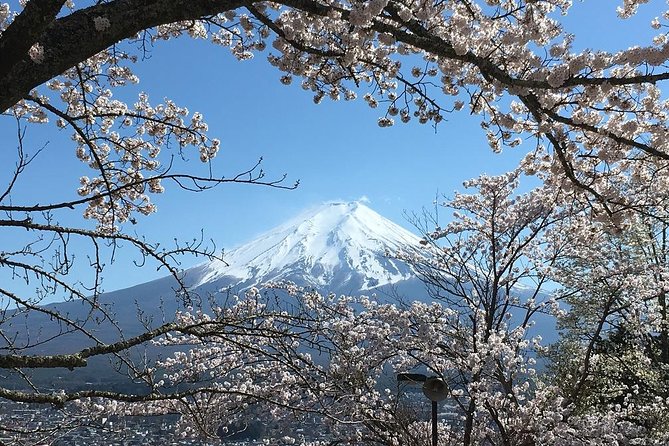
The Mt. Fuji Panoramic Ropeway climbs from Lake Kawaguchiko to about 1,075 meters in three minutes. From the top, you can look across the lake, Fuji Yoshida, and the surrounding area. The visit may take 30 to 90 minutes, depending on the queue.
This is a strong choice when you want a broad view without a strenuous walk. The drawback is that a ropeway is popular, and waiting can eat into your limited day. If the summit is hidden, the lake and town views may still make the ride worthwhile, but do not pay for it solely for a Fuji photograph.
The Kawaguchiko Music Forest Museum takes a different approach. Its European-style grounds contain old automatic musical instruments and seasonal flowers. It suits music lovers and anyone looking for a quieter, more decorative stop. Admission is extra, and the suggested visit can run from 30 minutes to two hours.
The Itchiku Kubota Art Museum presents rare kimono in distinctive architecture created by the artist Itchiku Kubota. It is a good choice if you want Japanese textile art rather than another mountain viewpoint. The Yamanashi Gem Museum and the Fuji Hakone Izu National Park offer other alternatives, though I would not try to combine too many museums with outdoor stops.
For an adult-focused day, consider Ide Sake Brewery. It is the only sake brewery in Kawaguchiko city using Fuji snowmelt water, according to the tour information. Tastings are available from 3 p.m. for 1,500 yen with a reservation, while the guided brewery visit takes about 90 minutes. The late start makes it difficult to pair with every morning attraction, so plan the day around it.
Hakone offers a different kind of Fuji day
Hakone is not simply a second version of Kawaguchiko. It has volcanic activity, hot springs, wooded mountain roads, museums, Lake Ashi, and historic connections to the Edo period.
The Hakone Ropeway reaches about 1,350 meters and can provide an excellent aerial view of Fuji when the weather cooperates. The ride and stops can take 45 to 90 minutes, with admission extra. Owakudani Valley is the natural follow-up, where you can see volcanic activity and try the famous black eggs, said to add seven years to your life.
Owakudani can be affected by volcanic conditions and weather, so the route may change. It is also an open, exposed area, which makes good footwear and a weather check sensible.
Lake Ashi is the scenic heart of Hakone. You can take the sightseeing cruise, including the well-known pirate ship, or choose the regular vessel if you want to avoid the largest crowds. The cruise is an extra cost, but it gives you a break from the road and links well with Hakone Shrine.
Hakone Shrine is famous for its torii gate near the lake. The shrine dates back roughly 1,260 years and has long connections with Japan’s rulers. On busy days, the torii can draw a line for photographs, so ask your guide how much time you really want to spend there.
Museums and history in Hakone
The Hakone Open-Air Museum is a strong choice for families and art lovers. Sculptures by Japanese and Western artists sit in an outdoor setting, and photography is permitted. Allow 45 to 90 minutes, longer if your group enjoys art.
The former Hakone checkpoint and museum explain travel and control during the Edo period, including the role of samurai under the Tokugawa Shogunate. This is a smaller, more focused stop than the Open-Air Museum, with a listed visit of 10 to 45 minutes.
Onshi Hakone Park, once an imperial garden, offers maintained paths and views toward Lake Ashi and Fuji on a clear day. It is free, but the view depends heavily on weather. Odawara Castle adds samurai and ninja exhibits and is the closest castle to Tokyo described in the tour options.
You can also request art museums in Atami, glass art in Hakone, Japanese and Oriental art in a garden setting, or a small samurai weapons museum. These choices make sense on a second visit or on a rainy day. They do not all belong in one Fuji-and-Hakone marathon.
Price, group size, and what you really receive
The price is $1,286.89 per group of up to eight, not per person. With eight people, that is about $161 per person before admissions, meals, and optional activities. With four people, it is about $322 each. For one or two people, the cost becomes hard to justify unless privacy, door-to-door transport, and a custom day are your top priorities.
The strongest value appears for families or groups who would otherwise need several train and bus fares, taxis, and advance planning. You also get a guide, driver, private vehicle, hotel pickup and drop-off, and one bottled water per person. English, French, Spanish, Chinese, and Korean guides are available.
Lunch, food, admission fees, hot springs, the Fuji 5th Station, ropeways, cruises, and gratuities are not included. The 5th Station also requires a 2,100-yen toll paid on site when access is open. The vehicle price remains the same even if you choose not to use the vehicle, so clarify your plan before booking.
What the guide team adds
The human side is a major reason to choose this tour. Ken is repeatedly praised for careful communication before the day, clear English, and quick adjustments when Fuji was about to disappear behind clouds. Tomomi is described as fluent in English and well informed about the Fuji area. Hiroko, Bob, Taiji, Reiko, Toshi, and others have also led trips built around families, photography, cycling, and cultural interests.
Do not assume you will receive a particular guide. If you have a strong preference, request a name such as Ken or Tomomi and ask what can be arranged.
The best guides do more than recite facts. They can move a Fuji viewpoint earlier, suggest a sake brewery, recommend food, slow the pace for older relatives, or add a stop when traffic and timing allow. One family of eight used the service for a Fuji day and later arranged a separate Yokohama and Kamakura tour, including a private tea ceremony. That shows how far the agency may go with advance discussion, but it should not be treated as part of this standard outing.
Weather, traffic, and practical limits
Fuji is shy. Clouds can hide the summit even on a day that begins clear. Past outings have included rain and hail, heavy holiday traffic, and drives back to Tokyo lasting close to four hours. Your guide can adjust the order of stops, but no private vehicle can remove road congestion.
The tour may be changed or canceled because of weather or traffic. If the operator cancels for poor weather, you are offered another date or a full refund. If the tour runs but Fuji is hidden, you should not expect a refund for the missed view.
The day is suitable for most people, but your choices matter. Caves, shrine stairs, long walks, and crowded ropeways are different from sitting beside a lake or visiting a museum. Tell the guide about dietary needs when booking. Vegetarian food can be arranged, and service animals are allowed.
Hot springs have strict rules. You cannot wear a bathing suit, towel, or clothing into the tubs. Men’s and women’s baths are separate, and tattoos or body paint are not permitted at the hot spring facility.
Should you book this Fuji or Hakone tour?
I would book it for a family, reunion, or group of five to eight that values comfort and flexibility more than the lowest possible price. It is also a smart choice if you want a guide to explain shrines, adjust the route to weather, and handle the long rural connections.
I would skip it for a solo visitor or couple on a tight budget. A scheduled bus tour or public transport may cost much less, even if it gives you less control. I would also avoid packing in too many stops. Choose a few meaningful places, ask for the strongest weather strategy, and let the day breathe.
For a first visit, my Fuji-area plan would be Arakura Sengen Shrine, Oishi Park, Oshino Hakkai, and either the ropeway or Nenba village. For Hakone, I would choose the ropeway, Owakudani, Lake Ashi cruise, and Hakone Shrine. That gives you variety without turning a beautiful day into a checklist.
FAQ
How long does the private tour last?
The tour lasts approximately 10 to 11 hours.
How many people can join the private tour?
The vehicle and booking accommodate up to eight people in one private group.
Does the tour include hotel pickup and drop-off?
Yes. Hotel pickup and drop-off are included.
Which destinations can I choose?
You can choose a Mt. Fuji and Lake Kawaguchiko route or a Hakone route. The options include Fuji viewpoints, shrines, lakes, caves, museums, ropeways, Lake Ashi cruises, Owakudani, and other listed sites.
How many stops should I select?
The recommended plan is around four to six sites. The full list contains more options than can reasonably fit into one day.
Is the Mt. Fuji 5th Station included?
No. The 5th Station is not included in the price. When access is open, the toll fee is 2,100 yen, paid on site. Access is closed from July to mid-September during the climbing season and also during the winter season.
Are admission fees and lunch included?
No. Entrance fees, food, drinks, lunch, cruises, ropeways, museums, hot springs, and other optional activities are separate costs.
What happens if the weather hides Mt. Fuji?
The schedule may change or the activity may be canceled because of weather or traffic. If the operator cancels because of poor weather, you can receive another date or a full refund. If the tour operates but Fuji is not visible, there is no refund for the obscured view.
Just added around Tokyo
- Tokyo Private Tour English Pro Guide By Luxury Vehicle★ 4.7 · 6 reviews
- Tokyo: Private Customizable City Tour with Chauffeur★ 4.9 · 8 reviews
- Tokyo: Nikko Private Sightseeing Day Trip with Driver★ 5.0 · 10 reviews
- Tokyo: Private Car Tour with Mai★ 5.0 · 3 reviews
- Tokyo: Private Customizable Day Tour with Chauffeur★ 5.0 · 3 reviews
- Tokyo: Private Sightseeing Tour by Car with Local Guide★ 5.0 · 2 reviews
- Tokyo Full-Day Tour with Private Car★ 4.1 · 3 reviews
- Tokyo: JDM Car Culture Tour with Mercedes C63s AMG★ 5.0 · 6 reviews
Tokyo Limo Tours, compared.
Tokyo Private Sightseeing Tour by Car- English speaking chauffeur
Read our review →
Tokyo Private Tour by Vehicle with English-Speaking Chauffeur
Read our review →
Tokyo Private Driving Tour by Car/Van with English Chauffeur
Read our review →
Luxury van Ride to famous car meet up spot Daikoku
Read our review →
Tokyo Private Customizable Tour with English Speaking Chauffeur
Read our review →Browse the lists this tour appears in