
Review · JAPAN
Customizable Full-Day Private Tours in Nagasaki with private car
Nagasaki’s past is heavy, but this private car tour gives you room to take it in at your own pace. You’ll visit the Atomic Bomb Museum and Peace Park, then move from Suwa Shrine to Mt. Inasa and Glover Garden, with a local guide shaping the day around your interests. I especially like the private vehicle and the 100% customizable plan. The guide can also take snapshots during the outing and send them afterward, if you agree. The main consideration is price: at $300 per person, this makes the most sense for a small group that values personal service.
If Nao is your guide, you may get an especially lively introduction to the city. He grew up in São Paulo and knows Nagasaki well, with the flexibility to add local food stops such as conveyor-belt sushi. The day can last five to eight hours, but six major stops may feel hurried if you want long museum visits and plenty of time at every viewpoint.
Key points to know before booking
- Six major Nagasaki sights: The route joins the Atomic Bomb Museum, Peace Park, Hypocenter Park, Suwa Shrine, Mt. Inasa, and Glover Garden.
- A private car changes the pace: You avoid a group schedule and can spend more time where your interests are strongest.
- A serious and scenic mix: The morning or early afternoon may focus on wartime memory, while Mt. Inasa and Glover Garden add views, architecture, and port history.
- Guide photography is part of the personal touch: With your permission, your guide may take snapshots and send them after the tour.
- Half-day or full-day flexibility: The published duration is about five to eight hours, so confirm how many stops fit your chosen length.
- Best value for a small group: The $300 price per person buys privacy and transport, but the cost is high for a solo visitor.
A thoughtful way to meet Nagasaki
Nagasaki is not a city you should rush through with a checklist. Its most important sights ask for quiet attention, while its hills, harbor views, shrines, and foreign-influenced buildings reward a slower pace. This tour places both sides of the city in one private day.
You begin at Nagasaki Station, a practical meeting point near public transportation. From there, your guide drives you between the main sights. That matters in Nagasaki, where the city rises into steep hills and where moving from the Urakami district to the harbor-side attractions can take time.
The private format is the real selling point. You are not waiting for a large group to finish photographs or trying to keep up with someone else’s schedule. If the museum affects you deeply, you can give it more attention. If you prefer to move on after the main exhibits, you can ask the guide to keep the day moving.
The plan is described as fully customizable, but the six suggested stops create a useful framework. You can use them as a complete route or discuss which places matter most to you. A half-day will require choices. A full day gives you a better chance of seeing all six without turning every stop into a quick photo break.
More Private Day Trips by Car in Japan
- From Tokyo: Mount Fuji Customizable Private Day Tour
★ 4.9 · 1,070 reviews - Tokyo Private Full-Day Tour by Car or Van
★ 5.0 · 684 reviews - Kyoto Day Trip using Private Car with English Driver (up to 5)
★ 5.0 · 74 reviews
The Atomic Bomb Museum asks for your full attention
The Atomic Bomb Museum is the most emotionally demanding stop. The exhibits explain the atomic bombing of Nagasaki on August 9, 1945, and the human cost that followed. The site also corrects a detail that many people may not know: the bomb did not fall on the center of the city, its primary target. It struck the Urakami area near the cathedral.
The scheduled visit is one hour, with admission included. That is enough for a focused visit, but it is not an especially long museum session. If you read every display carefully, you may want to tell your guide at the start that this stop is a priority.
I appreciate that the route does not treat the museum as a quick historical footnote before sightseeing. It gives the subject its proper place, then connects it with the Peace Park and Hypocenter Park nearby. You will have a clearer sense of place because the three stops belong together.
This is also where a private tour can help. You can ask questions in a quieter setting and decide how much discussion feels right for your group. The tone of the visit will depend partly on your guide, so be clear if you prefer more historical explanation, more time for reflection, or a shorter visit.
Peace Park and the exact point of the blast
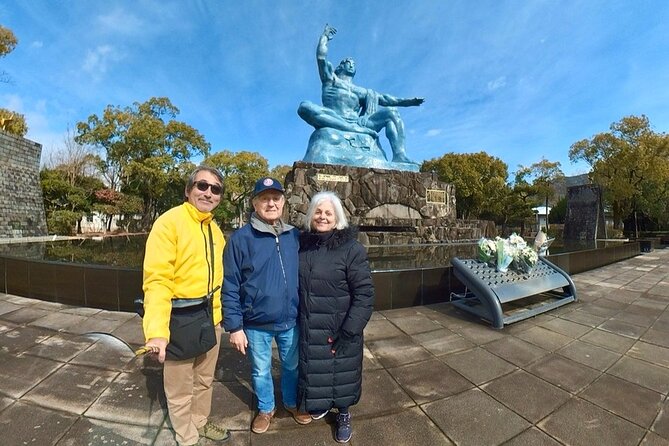
Peace Park is scheduled for 45 minutes. Its central Peace Statue was completed in 1955 after four years of work funded by donations from Japan and other countries. Statues from abroad add a wider message of prayer for peace.
You will have time to see the main monument and several donated works, but perhaps not every corner of the park. The visit works best after the museum, when you already understand why this place was created. It is an outdoor stop, so the weather may affect how long you want to remain there.
Hypocenter Park follows with about 30 minutes. A memorial monolith marks the point directly below the atomic bomb’s explosion. The detonation occurred about 500 meters above the ground at 11:02 in the morning.
That detail gives the visit a physical focus. Instead of thinking only in broad terms about the bombing, you are standing at the exact point beneath it. Thirty minutes is usually enough for the memorial and surrounding area, though anyone wanting a long, reflective visit may find the schedule tight.
Together, these two stops provide a clear progression: the museum explains the event, Peace Park expresses a hope for peace, and Hypocenter Park marks the location. The order makes sense and saves you from treating each place as an isolated sight.
Suwa Shrine brings a different side of the city
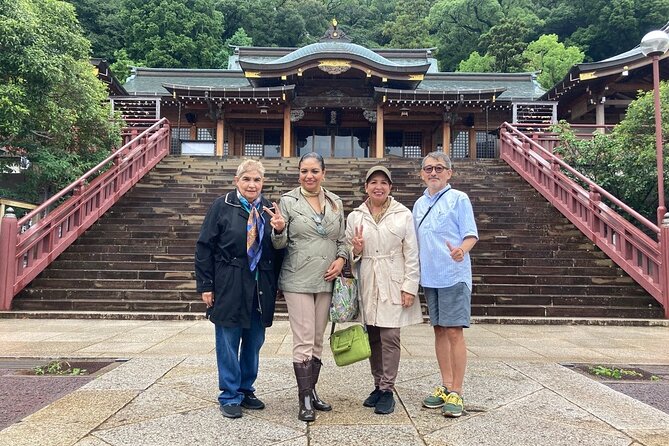
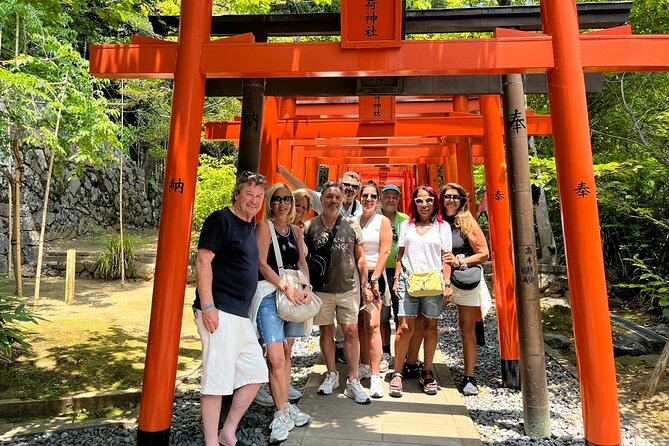
Suwa Shrine offers a strong change of mood. The shrine survived the atomic blast and is about 400 years old. Its presence gives you a chance to experience a traditional Japanese religious site after the difficult subject matter of the morning.
The visit lasts about one hour, and admission is included. The appeal here is not only age or survival. It is the contrast between the shrine’s continuing religious atmosphere and the modern city around it. You can pause, look at the architecture, and feel how older customs remain part of daily Nagasaki.
The wording for this stop emphasizes feeling the air of Japan, which is a useful way to understand its role in the route. This is less about collecting facts and more about having a calm place in the day. Your guide’s explanation can help you notice details you might otherwise pass without understanding.
The tour does not provide a fixed list of shrine rituals or ceremonies, so do not book this expecting a scheduled religious performance. Think of it as a visit to an important surviving shrine, with time to take in its setting and meaning.
More Customizable Private Tours in Japan:
- Tokyo Private Customizable Tour with English Speaking Chauffeur
★ 5.0 · 92 reviews - Customizable Private Tour in Mt. Fuji with Private Driver
★ 5.0 · 69 reviews - Nikko Private Car Tour – English Driver, Flexible Schedule
★ 4.5 · 48 reviews - Private Kyoto Customizable Tour With Guide and Luxury vehicle
★ 4.5 · 29 reviews
Mt. Inasa delivers the big city view
Mt. Inasa is the scenic high point of the day. The observation deck commands a panoramic view of Nagasaki, including the city and harbor. The scheduled time is 45 minutes.
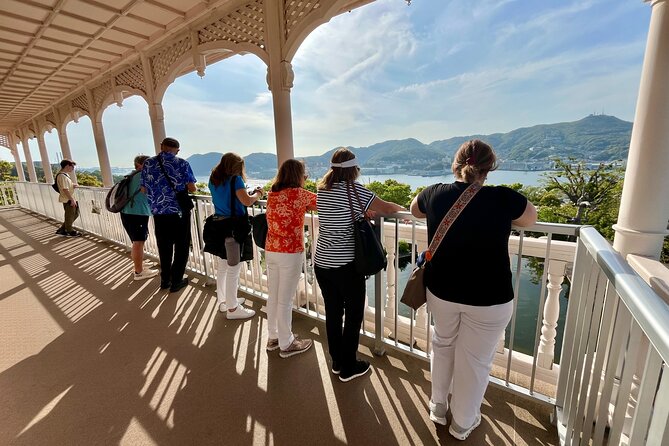
This stop earns its place because Nagasaki’s hills shape how the city feels. From above, you can see how the urban area fits around the water and slopes. After several historical sites, the view gives your mind a break and helps you understand the city’s geography.
The private car is particularly useful here, since the route includes several hillside locations. You do not need to organize each transfer yourself, and your guide can keep the timing in view. The tour information does not promise a particular transport method up the mountain, so ask how the car portion connects with access to the observation deck.
Weather and visibility will affect the reward. On a clear day, the panorama should be a major highlight. In poor conditions, the stop may not deliver the same view, so a flexible private itinerary gives you a better chance to adjust the timing if your guide can do so.
Glover Garden explains Nagasaki’s international character
Glover Garden sits on the Minamiyamate hillside above the harbor and is described as Nagasaki’s foremost tourist attraction. The visit lasts about one hour, with admission included.
This is where the tour moves from tragedy and religion into architecture, trade, and the port’s international past. The hillside setting gives the stop both historical interest and a sense of place. You are not simply looking at an old building. You are seeing how Nagasaki’s position on the harbor shaped its connections with the wider world.
The garden’s elevation also adds another viewpoint over the city and water. It pairs naturally with Mt. Inasa, though the two views feel different. Mt. Inasa gives you the broad panorama. Glover Garden lets you look out from within a historic hillside district.
One hour is enough for a useful visit, but you may want more if you enjoy architecture or take a lot of photographs. Since the day includes six stops, ask your guide how the schedule will work if Glover Garden is one of your main interests.
A guide who can shape the day around you
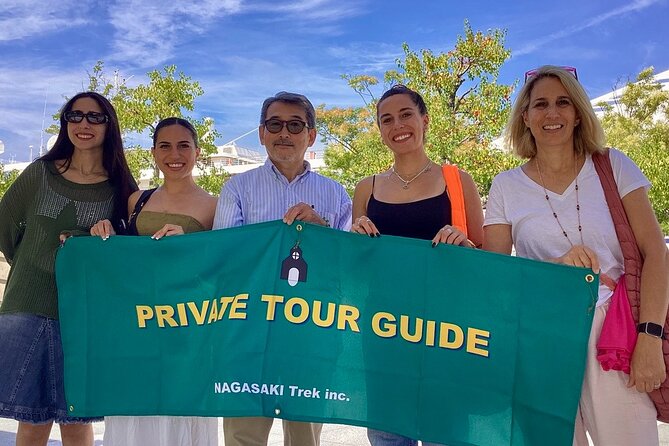
The tour’s strongest feature is not any single monument. It is the chance to connect the sights through conversation with a local guide. The guide can explain the city’s past, help you decide how long to stay, and adapt the day to your interests.
Nao is one guide associated with this experience. He is Japanese, grew up in São Paulo, and brings a cross-cultural background to the outing. If he is assigned to your group, his experience may be useful for travelers who enjoy a relaxed, personal conversation rather than a formal script.
A particularly appealing detail is the food flexibility. Nao has taken a group to a conveyor-belt sushi restaurant, described as an unforgettable stop. This is not presented as a guaranteed part of every itinerary, and meals are not listed as included, so treat it as an example of what you might request rather than a promise.
The guide also likes photography. If you do not mind being photographed, he may take snapshots during the tour and send the pictures afterward. Tell the guide clearly if you want this option, and also say if you prefer not to be photographed. That small conversation helps keep the experience comfortable.
What $300 per person really buys
The price is $300 per person. That is a serious outlay, especially for a solo visitor, but the value depends on your group size and priorities.
You are paying for a private activity, a private car, a local guide, flexible timing, and access to a route that combines six major places. For a couple or small group, the cost may feel more reasonable when compared with arranging separate transport and trying to connect the sights yourself.
The value is strongest if you want help with the city’s difficult history, prefer direct transport, or have limited time in Nagasaki. It is weaker if you are comfortable using public transportation, want to visit only one or two districts, or prefer an inexpensive self-guided day.
Admission tickets are included for the listed stops. Food is not stated as included, so budget separately for lunch or snacks. The private format also means you should discuss your priorities before setting out. A flexible tour is only useful if your guide knows which stops matter most to you.
Timing, pickup, and practical details
The experience runs about five to eight hours and offers a choice between half-day and full-day planning. The suggested visits alone add up to roughly four hours and 45 minutes of stop time, before driving and transitions. That is why the full-day option is the better fit if you want all six locations at a comfortable pace.
The listed start and end point is Nagasaki Station. Pickup is offered, but you should confirm the exact pickup arrangement when booking rather than assume hotel collection is automatic. The tour operates from 9 a.m. to 5 p.m., Monday through Sunday, during the stated operating period.
Confirmation is provided at booking. The activity is near public transportation, and most people can participate. Since it is private, only your group takes part, which is useful if you need a slower rhythm or want to discuss sensitive subjects without a crowd around you.
Free cancellation is available if you cancel at least 24 hours before the start time. Changes or cancellations inside that window are not accepted for a refund. Keep the local cut-off time in mind.
Who should book this Nagasaki tour?
I would choose this tour if you want Nagasaki’s major sights in one organized day, especially if you are traveling with a partner, family, or small group. It also suits anyone who values a car between hillside districts and wants a guide who can adjust the conversation and timing.
It is a good match for first-time visitors, but returning visitors can also use the customization to focus on places they missed. The photography option may appeal to couples and families who want more than phone selfies, provided everyone is comfortable being photographed.
I would think twice if your budget is tight or if you prefer long, unhurried museum visits. Six stops in five to eight hours require planning, and the shortest version cannot give every site equal attention. Ask for a full-day schedule if the Atomic Bomb Museum, Glover Garden, and Mt. Inasa are all essential.
FAQ
Where does the tour start and end?
The tour starts at Nagasaki Station at 1 Onouemachi, Nagasaki, and ends back at the meeting point.
How long does the experience last?
The tour lasts approximately five to eight hours. Half-day and full-day options are available.
Is the tour private?
Yes. Only your group participates in the activity.
Is transportation included?
A private car is provided, and pickup is offered. The listed meeting point is Nagasaki Station, so confirm the pickup details when booking.
Which sights are included?
The suggested route includes the Nagasaki Atomic Bomb Museum, Suwa Shrine, Nagasaki Peace Park, Hypocenter Park, Mt. Inasa, and Glover Garden.
Are admission tickets included?
Admission tickets are included for the listed stops.
What happens if I need to cancel?
You can receive a full refund if you cancel at least 24 hours before the experience starts. Cancellations or changes made less than 24 hours before the start time are not accepted for a refund.
Should you book it?
Book this tour if you want a private, flexible introduction to Nagasaki and value the convenience of a car. The combination of the Atomic Bomb Museum, Peace Park, the exact Hypocenter, Suwa Shrine, Mt. Inasa, and Glover Garden gives you a well-rounded day, while a guide such as Nao may add local food suggestions and an easy personal touch.
For the best value, share the cost with a small group and choose the full-day format. If you are alone, on a tight budget, or want to study each museum display at length, explore Nagasaki independently instead. The tour is at its best when you want context, transport, and flexibility more than the lowest possible price.
More Full-Day Drives in Japan
- Full Day Tokyo Private Tour by Luxury Vehicle
★ 5.0 · 41 reviews - Private Car Full Day Tour of Osaka Temples, Gardens and Kofun Tombs
★ 5.0 · 24 reviews - Iya Valley All Must-Sees Private Chauffeur Full-day Tour with a Driver
★ 5.0 · 20 reviews - From Tokyo:Nikko Full Day Tour w/Hotel Pickup by Private Car
★ 5.0 · 10 reviews
More Private Cars with a Driver in Japan
- Private Car Tour to Mt. Fuji Lake Kawaguchiko or Hakone
★ 5.0 · 360 reviews - Private car tour in Kyoto (up to 4)
★ 5.0 · 123 reviews - Mt Fuji Exclusive Tour with Private Car English Guide
★ 5.0 · 116 reviews - Tokyo City Tour by Private Car & English guide
★ 5.0 · 91 reviews
Just added around Japan
- Private Car transfer from Narita airport to Tokyo★ 5.0 · 16 reviews
- Nagoya Private Tour – Nationally Licensed Guide & Private Car★ 5.0 · 4 reviews
- Iya Valley All Must-Sees Private Chauffeur Half-day Tour with a Driver★ 4.5 · 3 reviews
- Iya Valley All Must-Sees Private Chauffeur Full-day Tour with a Driver★ 5.0 · 20 reviews
- Kyoto and Nara Private Car Tour with a Local English Guide Driver★ 5.0 · 16 reviews
- Kyoto tour with English Speaking Chauffeur★ 5.0 · 29 reviews
- Private Kyoto Customizable Tour With Guide and Luxury vehicle★ 4.5 · 29 reviews
- Kyoto Custom Private Car Tour with Local Guide★ 4.5 · 26 reviews
Japan Limo Tours, compared.
Tokyo Private Sightseeing Tour by Car- English speaking chauffeur
Read our review →
Tokyo Private Tour by Vehicle with English-Speaking Chauffeur
Read our review →
Kyoto: Private Highlights Tour with Guide and Luxury Vehicle
Read our review →
Tokyo Private Driving Tour by Car/Van with English Chauffeur
Read our review →
Luxury van Ride to famous car meet up spot Daikoku
Read our review →Browse the lists this tour appears in