
Review · TOKYO
Tokyo Sightseeing/ City Tour by Private Car with English Guide
Tokyo is a hard city to grasp in one day. Its sights spread across a huge urban area, and the best-known districts each have a different mood. This private car tour gives you a practical way to connect them, from Tsukiji’s food stalls to the neon of Akihabara and the organized chaos of Shibuya Crossing.
I like the door-to-door pickup and the freedom to adjust the day around your interests. I also like the small-group setup, since up to five people can share the vehicle instead of splitting into separate taxis or trying to shepherd everyone through several train transfers. The main drawback is that eight or nine hours is a tight window for this many stops, especially if you want to go inside Tokyo Skytree.
The listed cost is $362.39 per group, not per person. That is a fairer deal when five people share it, but a bigger splurge for one or two guests. The guide named in the strongest personal feedback is Abdul, who is described as kind, accommodating, and willing to adjust the route and help capture photos.
Key points to know before booking
- Nine major Tokyo sights in one day: The route covers Tsukiji, Asakusa, Skytree, Akihabara, Meiji Jingu, the Imperial Palace, Tokyo Tower, Harajuku, and Shibuya.
- Private transportation for up to five people: You stay with your own group in an air-conditioned vehicle with free Wi-Fi.
- A useful first-day orientation: The route introduces old Tokyo, modern Tokyo, pop culture, royal landmarks, and famous shopping streets.
- Tokyo Skytree costs extra: Admission is listed at ¥2,100 per person, so budget for it if you want to go up.
- Flexible pacing: The tour can be adjusted around your interests and schedule, within the limits of a full sightseeing day.
- Central hotel pickup and drop-off: This saves time and removes much of the hassle of navigating Tokyo at the start and end of the day.
Why a private car helps in a city this large
Tokyo’s rail system is excellent, but a sightseeing day can still become a study in staircases, station corridors, transfers, and platform signs. A private car will not remove traffic, but it does give you a fixed base between districts. You can leave your bags in the vehicle, return when you need a break, and avoid repeatedly figuring out the next train.
That matters here because the stops are spread widely. Tsukiji and Asakusa sit on different sides of the central city, while Akihabara, Harajuku, Shibuya, and Tokyo Tower each pull you in another direction. The driver or guide handles the movement while you focus on the city outside the window.
You also get an English guide rather than just a vehicle and a driver. The tour description emphasizes customization, so I would tell the guide early which stops matter most to you. If you care more about temples and shrines than shopping, say so. If your group is set on Skytree or Akihabara, make that clear before time starts slipping away.
The car includes air conditioning and free Wi-Fi. The Wi-Fi is a useful touch for sharing photos as you go, though you should still keep the day moving. A private vehicle can make a packed schedule possible, but it cannot turn nine hours into twelve.
More Private Sightseeing Tours in Japan
- Tokyo Private Sightseeing Tour by Car- English speaking chauffeur
★ 5.0 · 1,004 reviews - Mount Fuji Sightseeing Private tour w English speaking chauffeur
★ 5.0 · 29 reviews - Tokyo: Nikko Private Sightseeing Day Trip with Driver
★ 5.0 · 10 reviews
Tsukiji, where Tokyo’s food culture begins
The first hour at Tsukiji gives you an easy introduction to Tokyo’s eating culture. The famous wholesale market moved to Toyosu in 2018, but the outer market area at Tsukiji remains a popular place for food shopping and casual exploration.
You can expect narrow lanes, food counters, seafood shops, and stalls selling Japanese ingredients and prepared bites. The tour includes free entry, but food purchases are your responsibility. Breakfast is not included, so Tsukiji may be the natural place to buy something if you want to eat during the morning.
The one-hour timing is enough to get a feel for the area, but not enough for a slow food crawl. If you stop at every tempting counter, the rest of the schedule will suffer. I would treat Tsukiji as an introduction rather than a full market meal unless you arrange the timing with the guide.
Senso-ji and the old streets of Asakusa
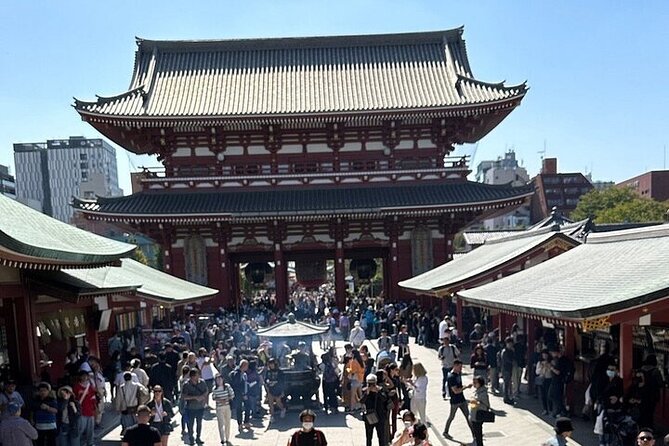
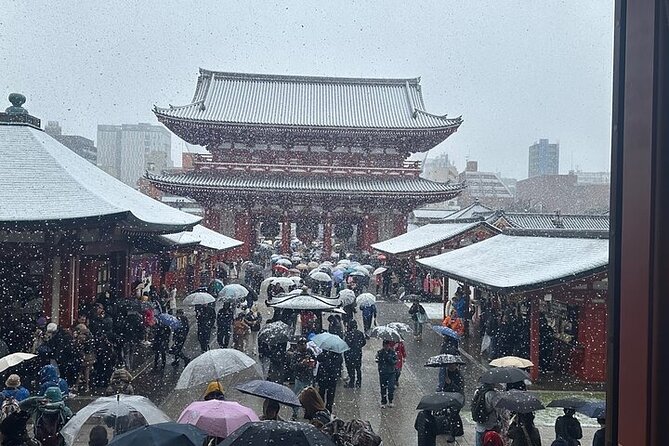
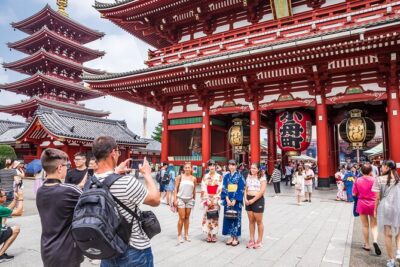
From Tsukiji, the route moves to Senso-ji in Asakusa, Tokyo’s oldest major Buddhist temple. The temple was founded in 645 and is dedicated to Kannon, the Goddess of Mercy. That age gives the stop a strong contrast with Tokyo’s glass towers and electronic signs.
The approach to Senso-ji is one of the city’s classic scenes. The temple complex is free to enter, and the one-hour stop lets you see the main grounds without turning the visit into a long religious or architectural study. You will also have time to notice the shopping street leading toward the temple.
This is one of the places where an English guide can add real value. A guide can explain the basic difference between Buddhist and Shinto sites and help you understand what you are seeing rather than treating the temple as a quick photo stop. The tour does not promise a private temple ceremony or special access, so expect a public sightseeing visit.
Tokyo Skytree and the extra ticket decision
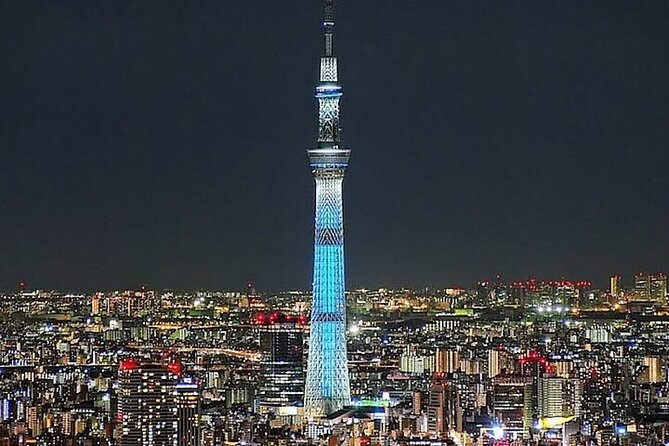
Tokyo Skytree rises 634 meters and is Japan’s tallest structure. The tower offers two observation levels, although admission is not included in the tour price. The listed cost is ¥2,100 per person.
You should decide before the day begins if Skytree is a priority. The one-hour allocation may work for a quick visit, but the actual experience depends on admission procedures and how long you want to spend viewing Tokyo from above. If the weather is poor, the view may not justify the added cost. The tour itself also requires good weather, and poor conditions can lead to a new date or a full refund.
I like having Skytree on the route because it gives you a clear sense of Tokyo’s scale. Still, this is one of the easiest stops to shorten if your group prefers time in neighborhoods. Tell the guide if you want to use the hour for the tower, the surrounding area, or another stop.
More Tours with an English-Speaking Driver in Tokyo:
- Tokyo Private Tour by Vehicle with English-Speaking Chauffeur
★ 5.0 · 504 reviews - Mt Fuji Exclusive Tour with Private Car English Guide
★ 5.0 · 116 reviews - Tokyo Private Customizable Tour with English Speaking Chauffeur
★ 5.0 · 92 reviews - Tokyo City Tour by Private Car & English guide
★ 5.0 · 91 reviews
Akihabara, Tokyo’s electric and anime district
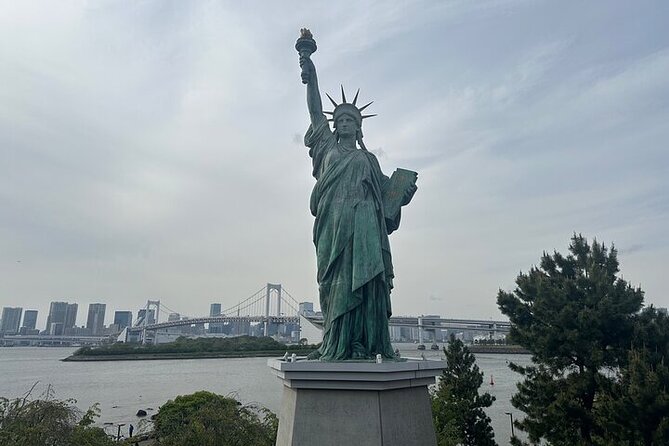
Akihabara changes the tone again. Known as Electric Town, it is associated with electronics, anime, gaming, and otaku culture. The tour allows one hour here, which is enough for a first look at the district’s multistory stores and colorful streets.
This stop works best if your group has a clear interest in technology or Japanese pop culture. You might find electronics shops, retro games, anime goods, and themed cafés, but the tour does not include purchases or café visits. An hour will not cover the entire district, so use it for the shops and sights you care about most.
For visitors who are less interested in anime or electronics, Akihabara may feel like a weaker use of time than a longer visit to Asakusa or Harajuku. That is exactly where the private format helps. Ask about shortening or changing the stop if it does not fit your group.
Meiji Jingu, a quiet break near Harajuku
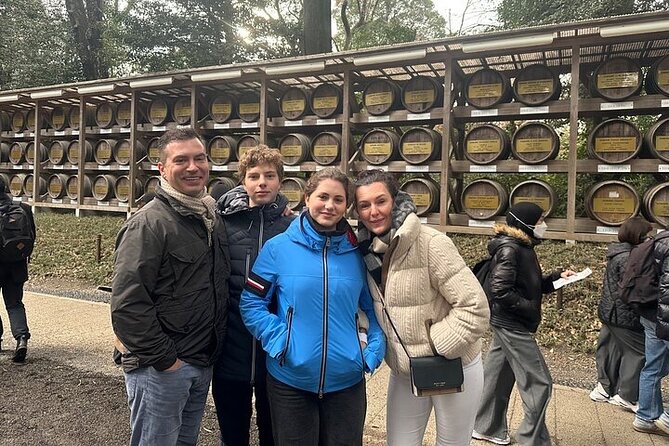
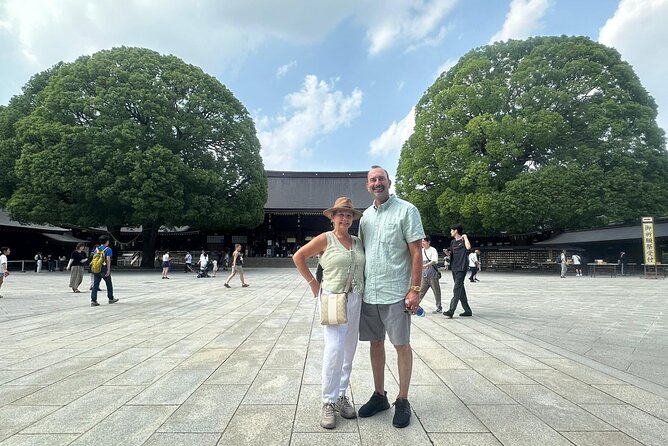
Meiji Jingu offers a sharp change from Akihabara. The Shinto shrine is dedicated to Emperor Meiji and Empress Shoken and sits in a wooded setting near Harajuku. The tour gives you about an hour to walk through the shrine grounds and see one of Tokyo’s best-known religious sites.
The value here is not only the shrine buildings. It is the change in pace. After several urban districts, Meiji Jingu gives you room to walk and notice the ceremonies, architecture, and surrounding trees. Admission is free.
The tour does not specify a guided ritual or special entry, so plan on a standard visit. Comfortable shoes will help, since the stop involves walking. If your group includes anyone who needs to limit walking, discuss the day’s pacing with the guide at pickup.
Imperial Palace, a look at Japan’s royal center
The Imperial Palace sits in central Tokyo behind moats, stone walls, and manicured grounds. It is the primary residence of Japan’s Emperor and offers a quieter view of the capital’s political and royal center.
The one-hour stop is useful for seeing the exterior setting and surrounding grounds, but you should not expect a full palace tour. The information provided does not include interior admission or a special access arrangement. This is best treated as a scenic and historical stop, not a long palace visit.
The palace also helps connect modern Tokyo with Japan’s national history. You can go from skyscrapers and department stores to old stonework and carefully maintained gardens within minutes. That contrast is one of the strengths of this route.
Tokyo Tower, the classic city viewpoint
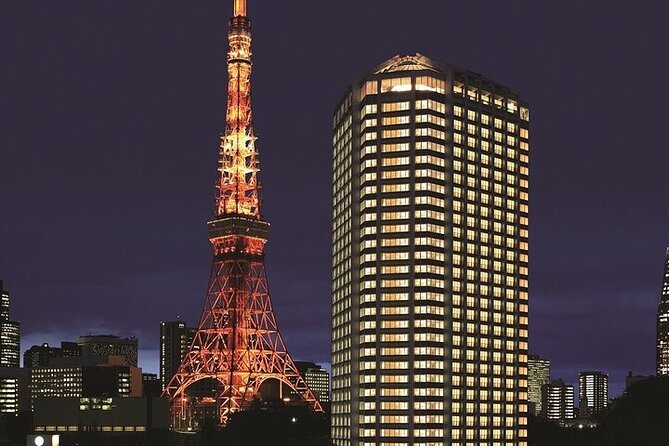
Tokyo Tower is 333 meters tall and is one of the city’s best-known landmarks. Inspired by the Eiffel Tower, it became a symbol of Tokyo’s postwar rebuilding. The tour includes it as a stop, though the schedule does not state a separate visit length or include an observation-deck ticket.
That distinction matters. You may view the tower from outside, take photos, or discuss whether going up fits your schedule. If you want an interior visit, ask the guide about ticket arrangements and timing before assuming it is included.
Tokyo Tower also gives you a useful comparison with Skytree. Skytree is taller and newer, while Tokyo Tower has a more familiar, historic place in the city’s modern identity. With limited time, many groups will want to choose one paid viewpoint rather than trying to do both.
Takeshita Street and Harajuku’s youthful energy
The longest scheduled stop is Takeshita Street, with about 90 minutes. This pedestrian shopping street in Harajuku is lined with fashion shops, crepe stands, themed cafés, and eye-catching youth styles.
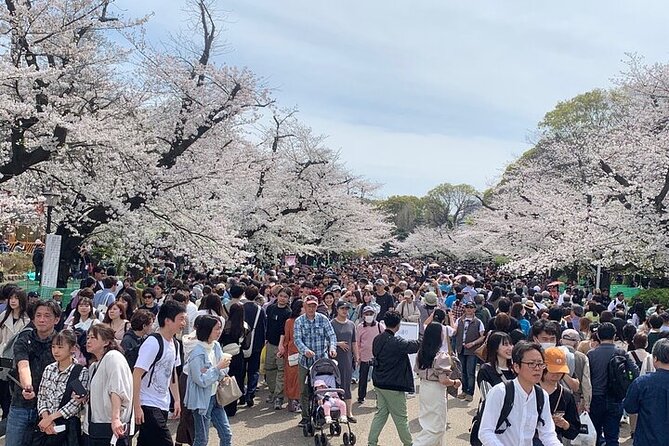
Takeshita Street is lively and crowded, particularly when many shoppers are out. Keep your group together and watch your belongings in the tight pedestrian flow. The tour includes free entry, but shopping, snacks, and café visits cost extra.
The extra half hour compared with most other stops is useful here. You can browse without rushing through every shop, and you may have time for a crepe or another snack. Still, this is not a calm neighborhood stroll. Choose it because you want fashion, food, and street activity, not because you expect a quiet look at Harajuku.
Shibuya Crossing to finish the day
The final scheduled stop is Shibuya Crossing, often called The Scramble. When the signals change, pedestrians cross from several directions at once, creating one of Tokyo’s most recognizable public scenes.
The planned 30 minutes is short but sensible. You can watch the crossing, take photos, and get a quick look at the surrounding district. A longer stay would be useful if you want shopping or a meal, but the route has already packed a lot into one day.
Finishing here gives the tour a strong modern-Tokyo ending. You have moved from a historic temple and shrine to a famous symbol of the city’s present-day energy. It is also a practical final stop before returning to your central hotel.
What the $362.39 group price really buys
The price is $362.39 for up to five people. At full capacity, that works out to about $72.48 per person before food and any paid admission. For two people, the same tour costs about $181.20 each, so the value depends heavily on group size.
Included are private transportation, an air-conditioned vehicle, fuel surcharge, GST, and pickup and drop-off from a central Tokyo hotel. Breakfast, lunch, dinner, and Skytree admission are not included. The car and guide are the main reasons to consider this over a standard group bus tour or self-guided day.
I see the best value for families or groups of friends who want a simple first-day overview and do not want to manage Tokyo’s rail network. Solo visitors and couples may prefer public transportation if they are comfortable with it and want to spend more time in fewer districts.
The tour has a 5.0 rating from 29 reviews, with 100 percent recommending it. I would not use that alone to decide, but the strongest praise centers on Abdul’s flexibility, kindness, and care in adjusting the day and helping capture photos. Those details suggest the guide relationship is an important part of the experience.
Who should book this Tokyo day tour
I would choose this tour if you have one full day in Tokyo and want to see many major areas with minimal transit stress. It also suits families, older adults, first-time visitors, and groups of up to five who value a private vehicle.
You should think twice if you prefer long, slow visits or want to spend a whole morning in one market, temple, or museum. The schedule is ambitious. Even with private transportation, you will need to keep an eye on the clock.
When booking, have three priorities ready. For example, you might rank Skytree, Akihabara, and food at the top. That gives the guide a practical basis for adjusting the route. Also confirm what you want to do at Tokyo Tower, since the provided details do not include an observation-deck ticket.
Free cancellation is available if you cancel at least 24 hours before the start time. Changes made inside that window are not accepted, and poor weather can lead to a different date or a full refund. The tour is near public transportation, and most people can participate.
Should you book it?
Book this private Tokyo tour if you want a broad first look at the city, door-to-door convenience, and a guide who can shape the day around your group. It is especially good value for five people sharing the cost.
Skip it if you want a slow, neighborhood-focused trip or if you are already comfortable building your own Tokyo route by train. The packed schedule is the tradeoff for seeing so much. For a first day, though, the mix of Tsukiji, Senso-ji, Skytree, Akihabara, Meiji Jingu, the Imperial Palace, Tokyo Tower, Harajuku, and Shibuya gives you a useful map of Tokyo’s many sides.
FAQ
How long does the Tokyo private car tour last?
The tour lasts approximately eight to nine hours.
How many people can join the private tour?
The price covers a private group of up to five people.
Is pickup included?
Yes. Pickup and drop-off are offered from your central Tokyo hotel.
Is Tokyo Skytree admission included?
No. Tokyo Skytree admission is listed separately at ¥2,100 per person.
Are meals included?
No. Breakfast, lunch, and dinner are not included in the tour price.
Is transportation provided?
Yes. The tour includes private transportation in an air-conditioned vehicle, along with fuel surcharge, GST, and free Wi-Fi.
What happens if the weather is poor?
The experience requires good weather. If it is canceled because of poor weather, you will be offered another date or a full refund.
More Private Cars with a Driver in Tokyo
- Private Car Tour to Mt. Fuji Lake Kawaguchiko or Hakone
★ 5.0 · 360 reviews - Customizable Private Tour in Mt. Fuji with Private Driver
★ 5.0 · 69 reviews - Mt. Fuji and Lake Kawaguchi Day Trip with Private Car
★ 4.5 · 61 reviews - Tokyo VIP Guided Private Car Tour with Optional Airport Transfer
★ 5.0 · 56 reviews
More Private Sightseeing Tours in Tokyo
- Tokyo: Private Sightseeing Tour by Car with Local Guide
★ 5.0 · 2 reviews - Jeju Island Popular Sightseeing Private Car Charter Tour 5/9hours
★ 5.0 · 382 reviews - Cozumel Shore Excursion: 5-Hour Sightseeing Tour with Private Driver
★ 5.0 · 325 reviews - Private Car Sightseeing from Hue to Hoi An
★ 5.0 · 189 reviews
Just added around Tokyo
- Tokyo Private Tour English Pro Guide By Luxury Vehicle★ 4.7 · 6 reviews
- Tokyo: Private Customizable City Tour with Chauffeur★ 4.9 · 8 reviews
- Tokyo: Nikko Private Sightseeing Day Trip with Driver★ 5.0 · 10 reviews
- Tokyo: Private Car Tour with Mai★ 5.0 · 3 reviews
- Tokyo: Private Sightseeing Tour by Car with Local Guide★ 5.0 · 2 reviews
- Tokyo: Private Customizable Day Tour with Chauffeur★ 5.0 · 3 reviews
- Tokyo Full-Day Tour with Private Car★ 4.1 · 3 reviews
- Tokyo: JDM Car Culture Tour with Mercedes C63s AMG★ 5.0 · 6 reviews
Tokyo Limo Tours, compared.
Tokyo Private Sightseeing Tour by Car- English speaking chauffeur
Read our review →
Tokyo Private Tour by Vehicle with English-Speaking Chauffeur
Read our review →
Tokyo Private Driving Tour by Car/Van with English Chauffeur
Read our review →
Luxury van Ride to famous car meet up spot Daikoku
Read our review →
Browse the lists this tour appears in