
Review · JAPAN
Private Kamakura & Yokohama Tour- English Speaking Chauffeur
Kamakura gives you serene bamboo, giant Buddhas, temple gardens, and an important shrine, while Yokohama adds Chinatown, waterfront views, and a traditional Japanese garden. I like the private hotel pickup and the chance to cover two very different cities without sorting out trains, transfers, parking, or tolls. I also like the photo and video assistance, a small service that can make a big difference for couples and families.
The tradeoff is pace. Ten hours sounds generous, but nine stops from Tokyo leave limited time at each one, especially if you want to eat, shop, or linger in the gardens. The tour costs $806 for up to five people, so it makes the most sense for a full private group rather than one or two people traveling on a tight budget.
Key points at a glance
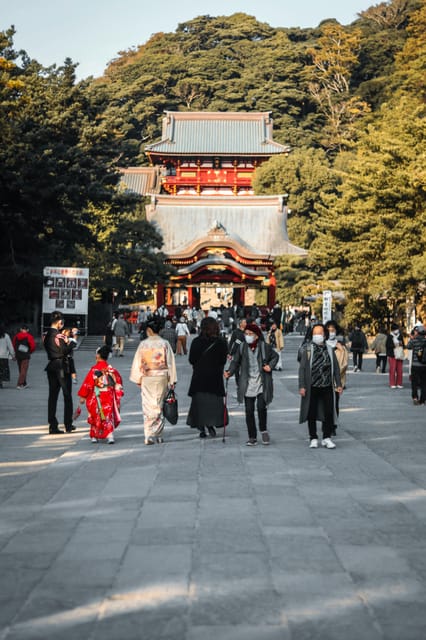
- Kamakura’s four major sights: Visit Hōkoku-ji, Hase-dera, Kōtoku-in, and Tsurugaoka Hachimangu in one organized day.
- A private ride from Tokyo: Hotel pickup, drop-off, parking, tolls, fuel, and bottled water are included.
- A useful English-speaking chauffeur: English and Japanese service helps with movement between sights, tickets, directions, and pickup points.
- Two different sides of Yokohama: See old Chinatown and Sankei-en Gardens, then finish near the modern Minatomirai waterfront.
- Photo help included: Your chauffeur can assist with taking pictures and making videos when needed.
- Best value for up to five people: The fixed group price becomes much more reasonable when shared by a family or small group.
Why this private day works from Tokyo
Kamakura and Yokohama sit south of Tokyo, and both are easy to reach by public transport. The difficulty is fitting the main sights into one day without losing time to transfers, station walks, and figuring out local connections.
This private tour solves that problem with a vehicle and hotel pickup in Tokyo. You do not need to work out how to reach a temple from a train station, find a taxi after a long walk, or keep checking the clock for the next connection. Fuel, parking, and toll charges are included, as is bottled water.
I see the private format as the main reason to book. You can travel with only your own group, ask questions in English or Japanese, and adjust your attention from temples to shopping or photography. Still, the day follows a full schedule. You are paying for reach and convenience, not for a slow, scholarly visit to each site.
The chauffeur also helps with simple but important details. One named chauffeur connected with this experience is Shan, who assisted with directions, helped find a ticket booth, and made sure the pickup point was clear. That kind of practical help matters at the end of a long day, when a missed meeting place can spoil an otherwise good outing.
More Chauffeur Services in Japan
- Tokyo Private Sightseeing Tour by Car- English speaking chauffeur
★ 5.0 · 1,004 reviews - Tokyo Private Tour by Vehicle with English-Speaking Chauffeur
★ 5.0 · 504 reviews - Tokyo Private Driving Tour by Car/Van with English Chauffeur
★ 5.0 · 156 reviews
Hōkoku-ji and its quiet bamboo garden
The first major stop is Hōkoku-ji, a Rinzai Zen temple in Kamakura. Its bamboo garden is the reason many people put it on their list. Tall bamboo creates a cool, shaded setting that feels far removed from Tokyo’s traffic and dense streets.
You have about an hour here for a visit, a walk, and sightseeing. That is a sensible amount of time for the garden and temple grounds, though you should not expect a long meditation session or an extensive temple complex tour.
Hōkoku-ji is also known as the Bamboo Temple. Its principal image is a statue of Gautama Buddha, called Shaka Nyorai in Japanese, located in a sacred hall. The bamboo is the visual draw, but the temple’s Buddhist setting gives the stop more meaning than a simple garden visit.
I would begin the day here with your camera ready, then take a few quiet minutes without photographing every turn. The stop is short enough that a rushed approach can reduce it to a quick picture among bamboo stalks.
Hase-dera and the Kannon tradition
Hase-dera, often called Hase-kannon, is scheduled for about 45 minutes. The temple is famous for a large wooden statue of Kannon, a Buddhist figure associated with compassion.
The site began within the Tendai tradition and later became an independent Jōdo-shū temple. You do not need to know the differences between these schools to appreciate the visit, but the background helps explain why this is more than a scenic stop.
The time here favors a focused walk. Look for the main religious features, enjoy the views along the way, and keep moving when your chauffeur signals that it is time to depart. With only three quarters of an hour, you may not have time to explore every part of the temple grounds.
This is one place where comfortable shoes help. The program calls for walking and sightseeing, and temple visits often involve slopes, steps, or uneven surfaces, although the activity is listed as wheelchair accessible. If mobility is important for your group, discuss the exact route with the provider before booking.
Kōtoku-in and Kamakura’s Great Buddha
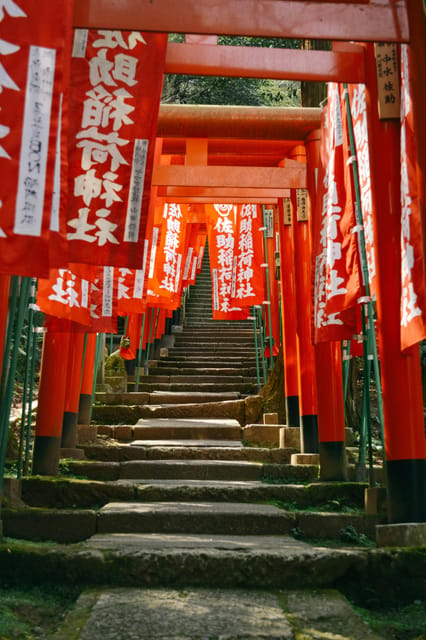
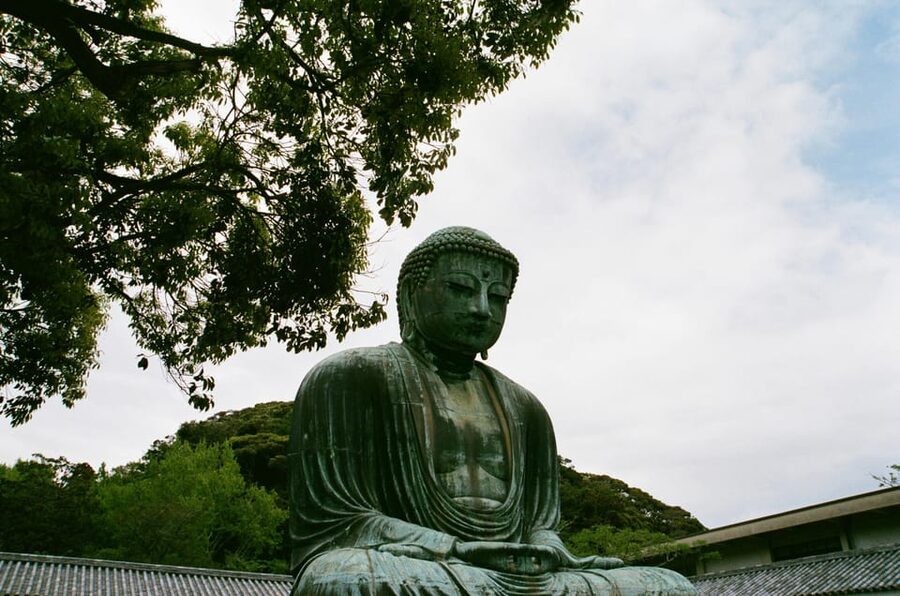
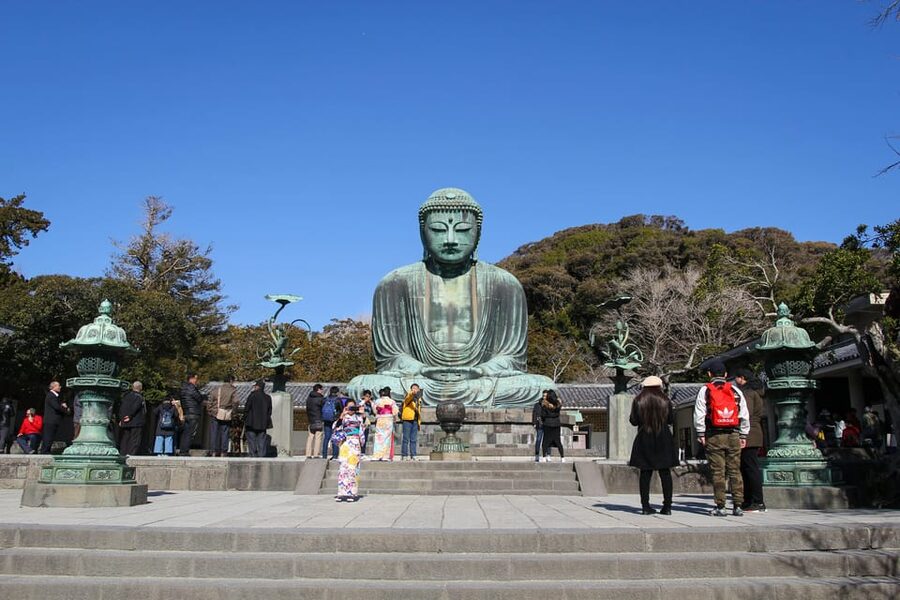
Kōtoku-in receives about 30 minutes, making it the quickest Kamakura stop. The temple belongs to the Jōdo-shū Buddhist tradition and is best known for its huge outdoor Buddha statue.
Thirty minutes is enough for a focused visit and photographs. It is not enough for a long look around, a slow temple study, and a relaxed break. I would treat this as a major photo stop with a short cultural visit rather than a full afternoon at the temple.
The short timing is not necessarily a flaw. The tour has several major places to cover, and the Great Buddha is one of Kamakura’s most recognizable sights. A private vehicle lets you see it without giving up Hōkoku-ji, Hase-dera, or the shrine.
If the Buddha is your main reason for visiting Kamakura, ask the chauffeur how much time is available before you leave the vehicle. That simple step helps you avoid spending too long at an earlier stop and then feeling hurried here.
Same driver, a different day out:
- From Tokyo: Mount Fuji Customizable Private Day Tour
★ 4.9 · 1,070 reviews - Tokyo Private Full-Day Tour by Car or Van
★ 5.0 · 684 reviews - Private Car Tour to Mt. Fuji Lake Kawaguchiko or Hakone
★ 5.0 · 360 reviews - Kyoto: Private Highlights Tour with Guide and Luxury Vehicle
★ 4.6 · 316 reviews
Tsurugaoka Hachimangu, Kamakura’s central shrine
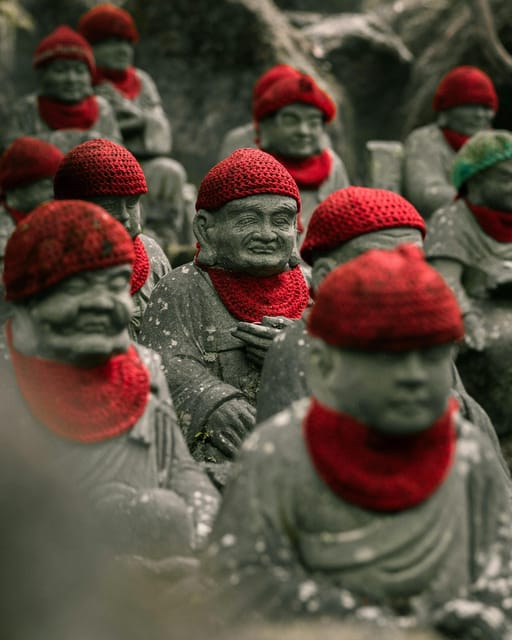
Tsurugaoka Hachimangu receives about an hour. This is the main Shinto shrine in Kamakura and an important cultural center for the city, with major festivals held here.
The grounds also include two attractive ponds representing the Taira and Minamoto clans. Those ponds add a calm visual break from the shrine approaches and give you something to look for beyond the main buildings.
An hour lets you walk through the principal areas and take in the setting. It also gives you a chance to notice how the shrine functions as a living place of worship, not only as a monument for sightseeing.
I like the contrast between the Zen temple, Buddhist sites, and Shinto shrine. In one morning, you move through several strands of Japanese religious life. The schedule does not provide much time for deep study, but it does give you a clear first look at Kamakura’s cultural character.
Komachidori for food, sweets, and a change of pace
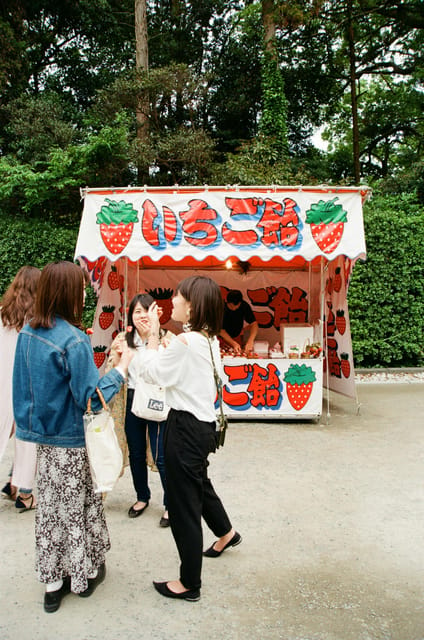
The Kamakura portion includes about 90 minutes around Komachidori. This busy pedestrian walkway is lined with clothing shops, gifts, souvenirs, eateries, and sweet shops.
This is the part of the day where you can loosen the schedule a little. After several temple and shrine visits, browsing shops and choosing a snack gives you a needed change of rhythm. Food and drinks are not included, so this is also the natural place to buy something on your own.
Ninety minutes can pass quickly. If you want a proper meal, shopping, and a walk through the full street, you may need to choose your priority. I would decide before arrival if you want lunch, souvenirs, or Japanese sweets, because trying to do everything can leave you watching the clock.
The private vehicle is especially useful here because you do not have to carry every purchase through multiple train connections. You can return to the vehicle later, depending on the pickup arrangement set by your chauffeur.
Yokohama Chinatown after the temples
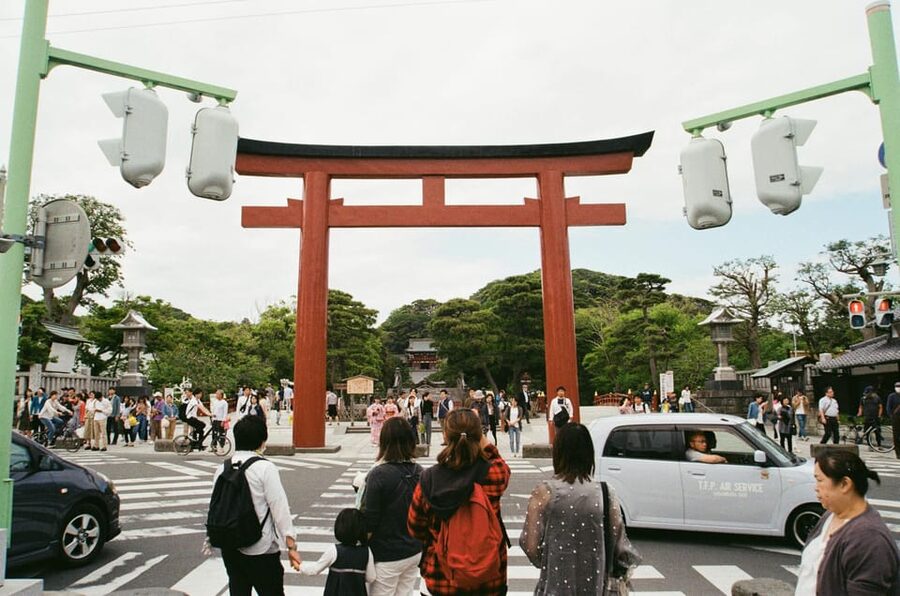
The tour then shifts from historic Kamakura to Yokohama Chinatown, about 160 years old. The area has a population of roughly 3,000 to 4,000, although only a small number of Chinese residents still live there, with many having roots in Guangzhou.
The scheduled hour includes a photo stop, sightseeing, walking, and shopping. It is enough for a first look at the streets and storefronts, but you should not expect a full food tour or an extended restaurant meal unless the day’s timing allows it.
Chinatown changes the tone of the trip. Kamakura is quiet and religious, while this Yokohama district is commercial, social, and full of places to browse. I like having both in the same day because the contrast keeps the tour from feeling like a series of similar temple visits.
Food is extra, and the tour does not list a specific restaurant. If you want to eat here, tell your chauffeur early. Otherwise, use the hour for a walk, photos, and a quick look at the shops.
Sankei-en Gardens and traditional design
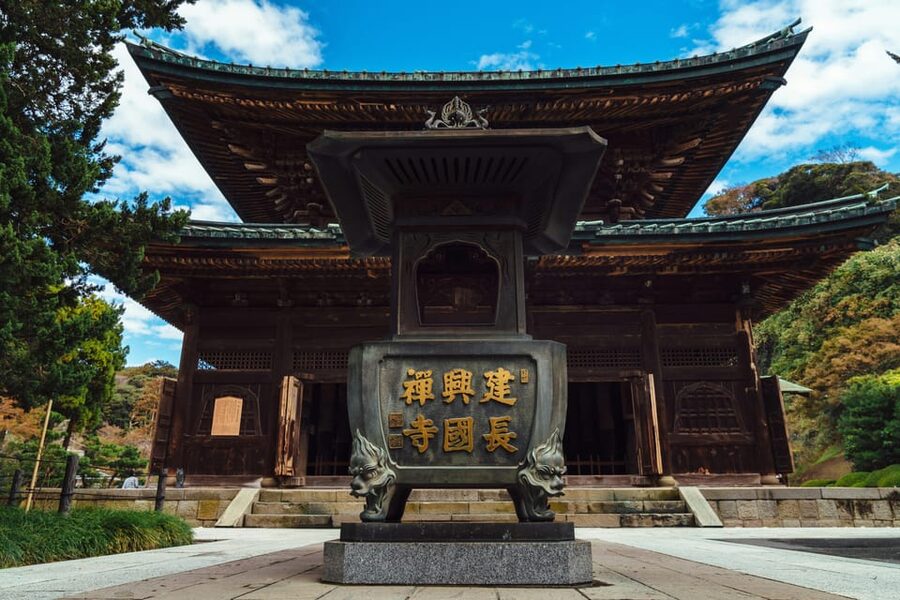
Sankei-en Gardens takes about an hour. These traditional Japanese-style gardens in Yokohama’s Naka Ward opened in 1906 and were designed and built by Tomitaro Hara, a silk trader who used the name Sankei Hara.
This stop offers a different kind of beauty from Hōkoku-ji. Hōkoku-ji is known for its bamboo setting, while Sankei-en gives you a broader garden visit shaped by paths, buildings, and carefully arranged scenery.
The hour is useful, but you will need to keep moving if you want to see more than the first section. A garden is best enjoyed at an unhurried pace, so this may be the place where the schedule feels most compressed.
I would bring comfortable shoes and keep the camera ready, but avoid turning the whole visit into a checklist. Look at how the garden frames its buildings and paths. The point is not only to reach every corner, but to notice the design as you walk.
Minatomirai if the clock allows
The final Yokohama stop is Minatomirai, visited for about 30 minutes if time permits. This is the modern waterfront side of the city, with Yokohama Landmark Tower, Plaza, shops, promenades, and waterside restaurants and bars.
You might see the Cosmo Clock 21 Ferris wheel, the sailing ship Nippon Maru, or the area around Rinko Park. Other attractions include the Mitsubishi Industrial Museum, with exhibits involving rockets and submarines. The tour does not promise admission to these attractions, and 30 minutes would not allow time for a full museum visit.
Think of Minatomirai as a brief closing look at Yokohama’s modern skyline rather than a major attraction block. If traffic or earlier visits run long, this is the stop most likely to be shortened or skipped.
That is worth accepting before you book. The tour gives you broad coverage of two cities, but broad coverage means some places receive only a short visit. If Minatomirai is your top priority, a separate Yokohama day would give you more time.
What the $806 group price really buys
The price is $806 for a private group of up to five people. At the maximum group size, that works out to about $161 per person. For two people, it becomes $403 each, before any personal food or drink costs.
That is not a low-cost day tour. The value comes from having a private air-conditioned vehicle, hotel pickup and drop-off in Tokyo, fuel, parking, tolls, bottled water, an English and Japanese-speaking chauffeur, and assistance with photos and videos.
Paid-stop tickets are included for one person. This detail deserves attention because it may not cover admission for every person in a group of two to five. Confirm exactly which tickets are included and what additional entrance fees may apply before you pay.
I think the price is reasonable for a full group that values comfort and time. It is harder to justify for a solo visitor or couple who are happy using Japan’s public transport and arranging each stop independently.
Timing, comfort, and the practical details
The full experience lasts 10 hours, with pickup and return in Tokyo. The day includes a private air-conditioned vehicle, which gives you a place to rest between stops and avoids the strain of repeated transfers.
English and Japanese are the listed languages. The chauffeur is not presented as a specialist guide for every temple, so you should ask questions and treat the service mainly as private transport with local assistance, rather than expecting a long formal lecture at each site.
Photo and video help is available. This is particularly useful for a group that wants everyone in the picture, though you should still tell the chauffeur what you want and allow enough time at each stop.
Free cancellation is available up to 24 hours before the experience for a full refund. You can also reserve now and pay later, which helps if your Tokyo plans are still moving. The activity is listed as wheelchair accessible, but because the day includes several walks through temples, shrines, streets, and gardens, ask about the exact route if your group has specific access needs.
Who should book this Kamakura and Yokohama day
I would choose this tour for a family, a group of friends, or up to five people who want to cover both cities without managing transport. It is also a good match if hotel pickup, English support, and help with photos matter more to you than keeping the cost at the lowest possible level.
The tour suits first-time visitors who want a broad introduction. You see Buddhist temples, a Shinto shrine, a shopping street, Chinatown, a traditional garden, and a modern waterfront in one day.
I would hesitate if you prefer slow travel. The schedule is full, the Great Buddha stop is only 30 minutes, and Minatomirai is optional if time remains. People who want long meals, detailed temple study, or extensive shopping may feel rushed.
Should you book it?
Book this private tour if you want convenience, wide coverage, and a chauffeur who can help with directions, pickup points, and photography. The strongest value comes when four or five people share the $806 cost.
Skip it if you are traveling alone, watching every dollar, or want to spend a full day in just one place. For the right group, this is an efficient way to connect Kamakura’s temples with Yokohama’s varied city sights, provided you accept that each stop gets a taste rather than a long visit.
FAQ
Where does the tour begin and end?
Pickup and drop-off are provided at your hotel in Tokyo.
How long does the experience last?
The tour lasts 10 hours.
How many people can join the private group?
The price covers a private group of up to five people.
What languages does the chauffeur speak?
The listed languages are English and Japanese.
Is transportation included?
Yes. Private transportation in an air-conditioned vehicle is included, along with fuel charges, parking fees, and toll charges.
Are food and drinks included?
No. Food and drinks are not included, although bottled water is provided.
Are entrance tickets included?
Tickets for paid stops are included for one person. Confirm how additional admissions are handled for the rest of your group.
Can I cancel for a refund?
You can cancel up to 24 hours in advance for a full refund. Reserve now and pay later is also available.
More Tours with an English-Speaking Driver in Japan
- Mt Fuji Exclusive Tour with Private Car English Guide
★ 5.0 · 116 reviews - Tokyo Private Customizable Tour with English Speaking Chauffeur
★ 5.0 · 92 reviews - Tokyo City Tour by Private Car & English guide
★ 5.0 · 91 reviews - Private Mount Fuji Tour in Luxury Vehicle with English Guide
★ 4.5 · 39 reviews
Just added around Japan
- Private Car transfer from Narita airport to Tokyo★ 5.0 · 16 reviews
- Customizable Full-Day Private Tours in Nagasaki with private car★ 5.0 · 2 reviews
- Nagoya Private Tour – Nationally Licensed Guide & Private Car★ 5.0 · 4 reviews
- Iya Valley All Must-Sees Private Chauffeur Full-day Tour with a Driver★ 5.0 · 20 reviews
- Iya Valley All Must-Sees Private Chauffeur Half-day Tour with a Driver★ 4.5 · 3 reviews
- Kyoto and Nara Private Car Tour with a Local English Guide Driver★ 5.0 · 16 reviews
- Kyoto tour with English Speaking Chauffeur★ 5.0 · 29 reviews
- Private Kyoto Customizable Tour With Guide and Luxury vehicle★ 4.5 · 29 reviews
Japan Limo Tours, compared.
Tokyo Private Sightseeing Tour by Car- English speaking chauffeur
Read our review →
Tokyo Private Tour by Vehicle with English-Speaking Chauffeur
Read our review →
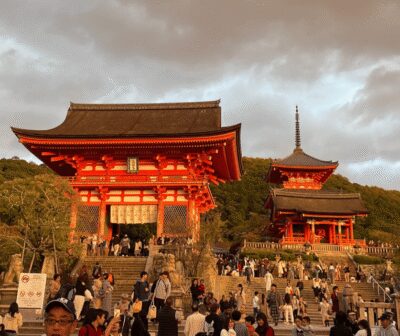
Kyoto: Private Highlights Tour with Guide and Luxury Vehicle
Read our review →
Tokyo Private Driving Tour by Car/Van with English Chauffeur
Read our review →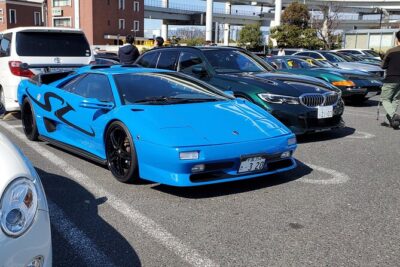
Luxury van Ride to famous car meet up spot Daikoku
Read our review →Browse the lists this tour appears in